
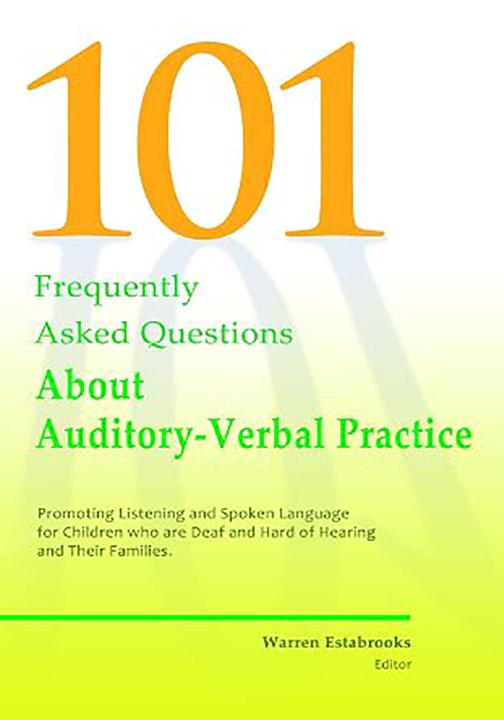
101 Frequently Asked Questions About Auditory-Verbal Practice: Promoting Listening and Spoken Language for Children who Are Deaf and Hard of Hearing and Their Families
First Edition
Warren Estabrooks
Details: 531 pages, B&W, Softcover, 6" x 9"
ISBN13: 978-0-88200-007-7
© 2012 | Available
Purchase Print Book
Price: $69.95
In 101 Frequently Asked Questions About Auditory-Verbal Practice, renowned experts in the field provide information for everyone in the child's life - parents, speech-language pathologists, audiologists, teachers, school admininstrators, early intervention professionals, and healthcare providers. The book takes the reader on a journey thought current theory, practice, and evidence based outcomes, and offers knowledge, guidance, encouragement, and hope for future generations of children who are deaf or hard of hearing, and their families.
Dedication
Preface
Acknowledgements
About the Editor
101 FAQs and Domains (See full list of FAQs below)
101 FAQs and Responses
-
History: FAQs
-
Partnerships: FAQs
-
Auditory-Verbal Therapy and Education in Action: FAQs
-
Curricula, Assessments, and Outcomes: FAQs
-
Philosophical and Professional Issues: FAQs
Author Biographies
Appendices
-
Appendix A: The Principles of LSLS Auditory-Verbal Therapy
-
Appendix B: The Principles of LSLS Auditory-Verbal Education
-
Appendix C: The Nine LSLS Domains of Knowledge
Index
101 FAQS:
History: FAQs 1–3
-
What is auditory-verbal practice?
-
What is the history of auditory-verbal practice?
-
What is the history of the Listening and Spoken Language Specialist certification?
Partnerships: FAQs 4–13
-
How can the child’s professionals in auditory-verbal practice and audiology work together?
-
Why are parents required to participate in auditory-verbal therapy and education?
-
What are the characteristics of an effective parent–practitioner relationship in auditory-verbal therapy and education?
-
What is the importance of coaching and guiding parents in auditory-verbal therapy and education?
-
How do practitioners in auditory-verbal therapy and education work together?
-
How frequently do auditory-verbal sessions need to be scheduled for a baby, a preschooler, and a school-age child?
-
If a child receives early intervention services, will services provided by a listening and spoken language professional be necessary?
-
What happens when the listening and spoken language professional and the family speak different languages?
-
When can children be “discharged” from an auditory-verbal program?
-
What do parents value most about their experience with auditory-verbal therapy and education?
Auditory-Verbal Therapy and Education in Action: FAQs 14–71
-
What is the Six-Sound Test, and why is it so important in auditory-verbal therapy and education?
-
What is meant by “aggressive” audiological management?
-
Why is it important for parents to understand their child’s audiogram?
-
What does the listening and spoken language professional do if a child’s hearing technology doesn’t work in an auditory-verbal session?
-
What can be expected of the child’s auditory, language, and speech skills if there is a significant difference between the child’s hearing age and chronological age?
-
Is it important to use noisemakers in an auditory-verbal session?
-
How does the listening and spoken language professional know if an infant is hearing well enough for auditory-verbal therapy and education to work?
-
How does a child with hearing loss benefit from an FM system and/or a sound field system in the classroom?
-
Is auditory-verbal therapy and education suitable for children with Central Auditory Processing Disorders?
-
Is auditory-verbal therapy and education appropriate for a child with auditory neuropathy spectrum disorder?
-
What is acoustic highlighting?
-
Is the “hand cue” used in auditory-verbal therapy and education?
-
Why do listening and spoken language professionals and parents need to use conversations to develop listening and spoken language?
-
What is the role of the father in auditory-verbal therapy and education?
-
Does a listening and spoken language professional use visual, kinesthetic, or tactile cues?
-
What can the listening and spoken language professional do to stimulate questions from parents during the session?
-
How can the listening and spoken language professional effectively communicate with parents to encourage maximum carryover at home?
-
What is an experience book, and how is it used in auditory-verbal therapy and education?
-
How can the listening and spoken language professional enhance the child’s chances of talking and communicating during (versus after) the auditory-verbal session?
-
How does the listening and spoken language professional refrain from using too many “performance type” tasks?
-
What can the listening and spoken language professional do when the parent “saves” the child in a session?
-
What can the listening and spoken language professional do when the entire session seems to be “going down the drain”?
-
Why does auditory-verbal therapy and education focus on the “whole” child when the child “only” has a hearing loss?
-
Can auditory-verbal therapy and education benefit children with minimal and unilateral hearing losses?
-
Why does spoken language need to be taught and learned through listening when the child has trouble hearing?
-
Why do listening and spoken language professionals conduct some “parent-only” sessions?
-
How do children acquire speech without studying mouth and/or face movements in auditory-verbal therapy and education?
-
How can executive functioning be facilitated by listening and spoken language professionals?
-
What is child-directed speech, and how does it apply to auditory-verbal therapy and education?
-
Does auditory-verbal therapy and education advocate complete absence of “visual input”?
-
When will a child in an auditory-verbal program start to have a “real” conversation?
-
How can “theory of mind” be facilitated by listening and spoken language professionals?
-
How are different adult learning styles accommodated in auditory-verbal therapy and education?
-
What are the benefits of auditory-verbal therapy and education following sequential cochlear implantation?
-
Are auditory-verbal services viable using telepractice?
-
Why is auditory-verbal therapy and education necessary if parents simply need to talk to their child as they would with any child of the same age?
-
What is the role of the listening and spoken language professional with children who have multiple challenges and their families?
-
How can listening and spoken language professionals facilitate bilingual language learning?
-
Should a child be offered other services in addition to auditory-verbal therapy and education?
-
Is auditory-verbal therapy and education suitable for a child whose parents are deaf or hard of hearing?
-
How can distance technology, social media, and other media applications support and enhance auditory-verbal therapy and education?
-
What can the parent and the listening and spoken language professional do in a home-based program when they do not have a lot of “therapy” toys?
-
Can an “older” child, who is diagnosed late, benefit from auditory-verbal therapy and education?
-
How can knowledge of social-emotional intelligence affect the listening and spoken language professional’s guidance in an auditory-verbal session?
-
Why is “integrating hearing into the personality” of the child important in auditory-verbal therapy and education?
-
Should a child with hearing loss be taught “baby sign”?
-
How does the listening and spoken language professional help children to integrate auditory-verbal therapy and education with the school curriculum?
-
Should a child attend a special education preschool where there may not be a listening and spoken language professional?
-
What recommendations do listening and spoken language professionals make to mainstream classroom teachers?
-
How does the level of service provision evolve over the academic career of a child who learns to listen through auditory-verbal therapy and education?
-
What are the benefits of continuing auditory-verbal services into the early school years?
-
How can auditory-verbal therapy and education support children in the mainstream school system?
-
Should listening and spoken language professionals provide auditory-verbal services to adolescents and adults with hearing loss?
-
What does auditory-verbal therapy and education have to do with reading and writing?
-
Why is storytelling important in auditory-verbal therapy and education?
-
How will auditory-verbal therapy and education help my child’s vocabulary development?
-
How do parents and practitioners use children’s literature for auditory development?
-
How does the listening and spoken language specialist guide and encourage parents to read aloud every day?
Curricula, Assessments, and Outcomes: FAQs 72–89
-
What is an auditory-verbal treatment plan?
-
How do listening and spoken language professionals establish and implement goals for infants who are deaf and hard of hearing?
-
Why is an assessment protocol mandatory in auditory-verbal practice, and what are some suggested instruments for measuring basic listening and spoken language skills?
-
How do you know if a child is making appropriate progress in auditory-verbal therapy and education?
-
Why is it important for listening and spoken language professionals to differentiate between linguistic competence and communicative competence?
-
Why do most children in auditory-verbal therapy and education acquire highly intelligible speech, but some do not?
-
How can a young child receiving auditory-verbal services learn effectively through play?
-
Does auditory-verbal therapy and education include music?
-
How can a child transition from a sign language program to auditory-verbal therapy and education?
-
Are there specific curricula for auditory-verbal therapy and education?
-
Why is diagnostic work important in auditory-verbal therapy and education?
-
Do children ever come back to their listening and spoken language professional when they are older?
-
In auditory-verbal therapy and education, when would the practitioner suggest moving to a “visual” approach?
-
How late is “too late” for auditory-verbal therapy and education to be effective in developing spoken language?
-
What model for developing listening skills is followed in auditory-verbal therapy and education?
-
How do children in auditory-verbal programs who are learning more than one spoken language perform on formal language measures?
-
When might auditory-verbal therapy and education not be appropriate for a child who is deaf or hard of hearing?
-
What are some of the evidence-based outcomes of auditory-verbal practice?
Philosophical and Professional Issues: FAQs 90–101
-
What is meant by a developmental approach to speech production in auditory-verbal therapy and education?
-
Why is there so much focus on listening and understanding when parents just want the child to talk?
-
Is auditory-verbal therapy and education better provided in the home or in a “center”?
-
Can older children who know only a signed language benefit from auditory-verbal therapy and education?
-
What is the role of universities in the training of listening and spoken language professionals?
-
How can practitioners prepare for LSLS certification in auditory-verbal therapy and education?
-
What can be done if there isn’t a listening and spoken language professional in the region?
-
What does a listening and spoken language professional do that is different from a speech-language pathologist?
-
Even if the family chooses auditory-verbal therapy and education, should the child learn sign language as a “back-up”?
-
Can children who are challenged by environmental factors, such as poverty, develop successful listening and spoken language through auditory-verbal therapy and education?
-
What do the three disciplines (speech-language pathology, audiology, and education of the deaf) need to enhance their professional training for LSLS certification?
-
What are the responsibilities of mentors and mentees in preparation for LSLS certification?

Warren Estabrooks
Warren Estabrooks, M.Ed., Dip. Ed. Deaf, LSLS Cert. AVT Emeritus is President and CEO of WE Listen International, a global consulting and professional training company located in Toronto, Ontario, Canada. He is a subject matter expert in the fields of auditory-verbal practice, auditory rehabilitation, hearing loss in children and adults and professional training of related health care and education providers.
Mr. Estabrooks is a founding Director of the A.G. Bell Academy for Listening and Spoken Language and Auditory-Verbal International (AVI). He is an Honorary Director of Bundesverein für Auditiv-Verbale Therapie, Berlin (BVAVT) From 1980-2007, he was Director of the Auditory Learning Centre of the Learning to Listen Foundation, in Toronto. From 1967-1980 he was a teacher at the Toronto District School Board (TDSB). He was a global consultant to Cochlear Corporation since 1989 with extensive international experience on every continent. From 2012, he was a trainer of professionals in the Middle East and Africa (MEA).
He has been honored with many awards, including: the Susann Schmid-Giovannini Award for international excellence in auditory-verbal practice, the Professional of the Year Award from the International Organization for the Education of the Hearing Impaired (IOEHI), the Dr. E.W. Wight Memorial Scholarship and the Peter R. Newman Humanitarian Award in recognition of his contribution to the world’s children who are deaf or hard of hearing and their families, and the inaugural International Service Award from the Alexander Graham Bell Association. He is the distinguished patron of the Warren Estabrooks Centre (WISH) in Colombo, Sri Lanka, Sound Steps, London, UK, and is a life-long mentor to career professionals around the world. He is included in the Canadian Who’s Who as a Canadian of Distinction.
Mr. Estabrooks has made significant contributions to the literature including the following: Auditory-Verbal Therapy for Parents and Professionals (1994), The ABC’s of AVT (1995), Cochlear Implants for Kids (1998), The Baby Is Listening (2000), 50 FAQs about AVT (50 Frequently Asked Questions About Auditory-Verbal Therapy) (2001), Listen to This! Volume I (2004), We Learned to Listen (2005), Listen to This! Volume II (2006), Auditory-Verbal Therapy and Practice (2006), 101 FAQs About Auditory-Verbal Practice (2012), Auditory-Verbal Therapy for Children with Hearing Loss and Their Families and the Practitioners who Guide Them (2016), and Auditory-Verbal Therapy: Science, Research, and Practice (2020).
The Six-Sound Song
First Edition
Warren Estabrooks
Details: 32 pages, Hardcover + CD
ISBN13: 978-088-200-215-6
© 2003 | Available
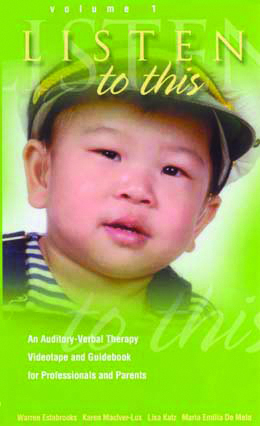
Listen to This: An Auditory-Verbal Therapy Videotape and Guidebook for Professionals and Parents, Volume 1
First Edition
Warren Estabrooks, Karen MacIver-Lux, Lisa Katz, Maria Emilia De Melo
Details: 76 pages, B&W, Softcover + DVD, 5.5" x 8.5"
ISBN13: 978-0-88202-220-0
© 2004 | Available
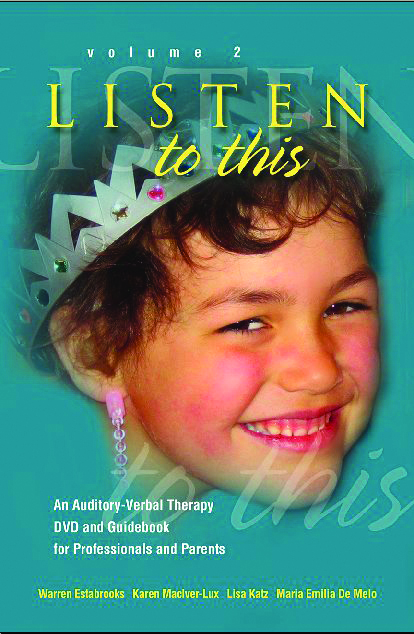
Listen to This: An Auditory-Verbal Therapy DVD and Guidebook for Professionals and Parents, Volume 2
First Edition
Warren Estabrooks, Karen MacIver-Lux, Lisa Katz, Maria Emilia De Melo
Details: 118 pages,B&W, Softcover + DVD, 5.5" x 8.5"
ISBN13: 978-0-88200-224-8
© 2006 | Available
The ABCs of AVT: Analyzing Auditory-Verbal Therapy, An Educational Tool for Professionals
First Edition
Warren Estabrooks, Rhonda Schwartz
Details: 104 pages, B&W, Spiral Bound + DVD, 8.5" x 11"
ISBN13: 978-0-88200-217-0
© 2005 | Available

Songs for Listening! Songs for Life!
First Edition
Warren Estabrooks, Lois Berkshaw-Fleming
Details: 238 pages, 2-Color, Spiral Bound + CD, 8.5" x 11"
ISBN13: 978-0-88200-214-9
© 2003 | Available
Hear and Listen! Talk and Sing! Songs for Young Children Who Are Deaf or Hard of Hearing and Others Who Need Help Learning to Talk
First Edition
Warren Estabrooks, Lois Berkshaw-Fleming
Details: 127 pages, B&W, Spiral Bound + CD, 8.5" x 11"
ISBN13: 978-0-88200-218-7
© 2006 | Available

We Learned to Listen
First Edition
Warren Estabrooks
Details: B&W, Softcover, 6" x 9"
ISBN13: 978-0-88200-222-4
© 2005 | Available
The Baby Is Listening: An Educational Tool for Professionals Who Work with Children Who Are Deaf or Hard of Hearing
First Edition
Warren Estabrooks, Judith Marlowe
Details: 78 pages, B&W, Spiral Bound + DVD, 8.5" x 11"
ISBN13: 978-0-88200-211-8
© 2000 | Available
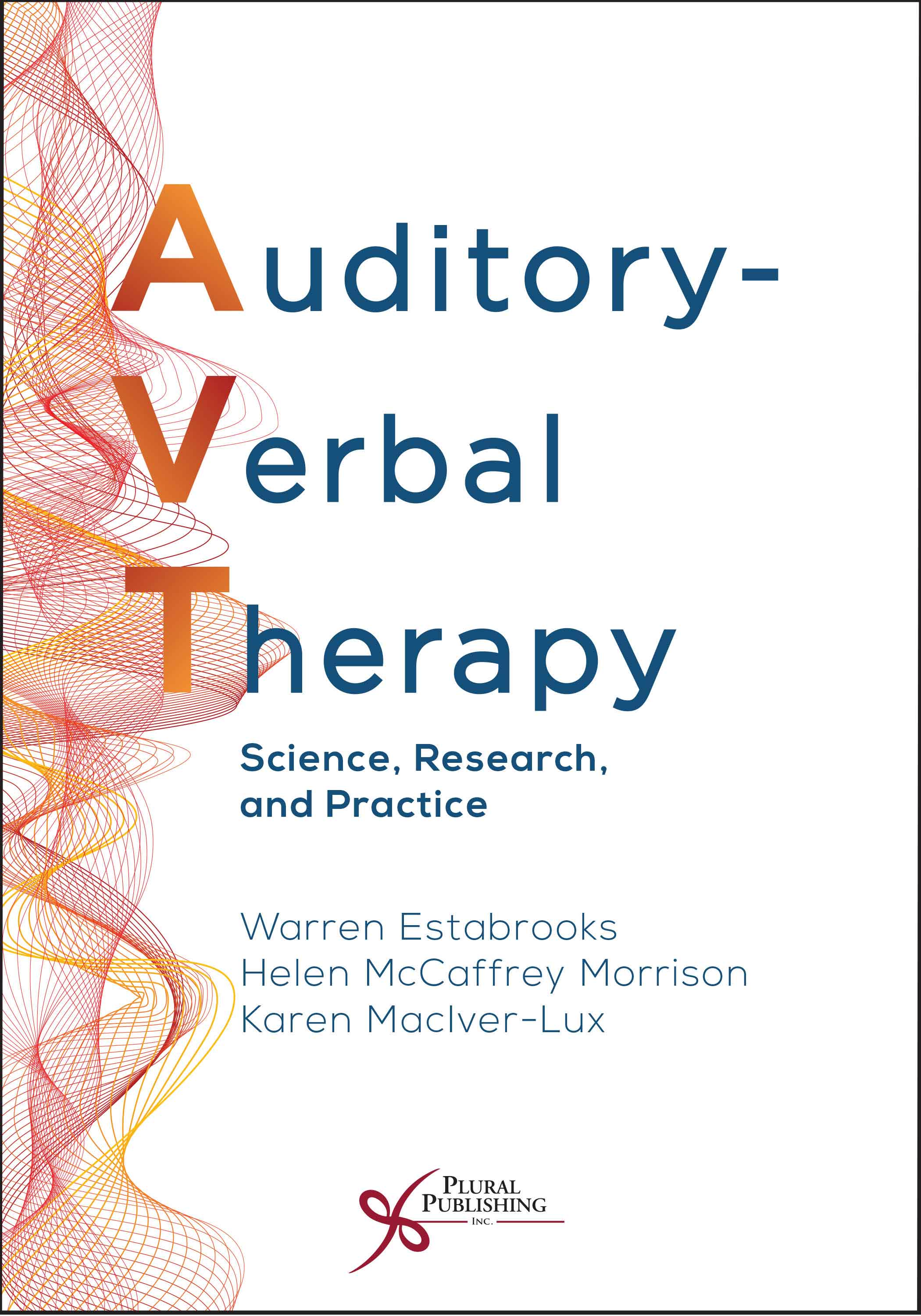
Auditory-Verbal Therapy: Science, Research, and Practice
First Edition
Warren Estabrooks, Helen McCaffrey Morrison, Karen MacIver-Lux
Details: 934 pages, B&W, Hardcover, 7" x 10"
ISBN13: 978-1-63550-174-2
© 2020 | Available