
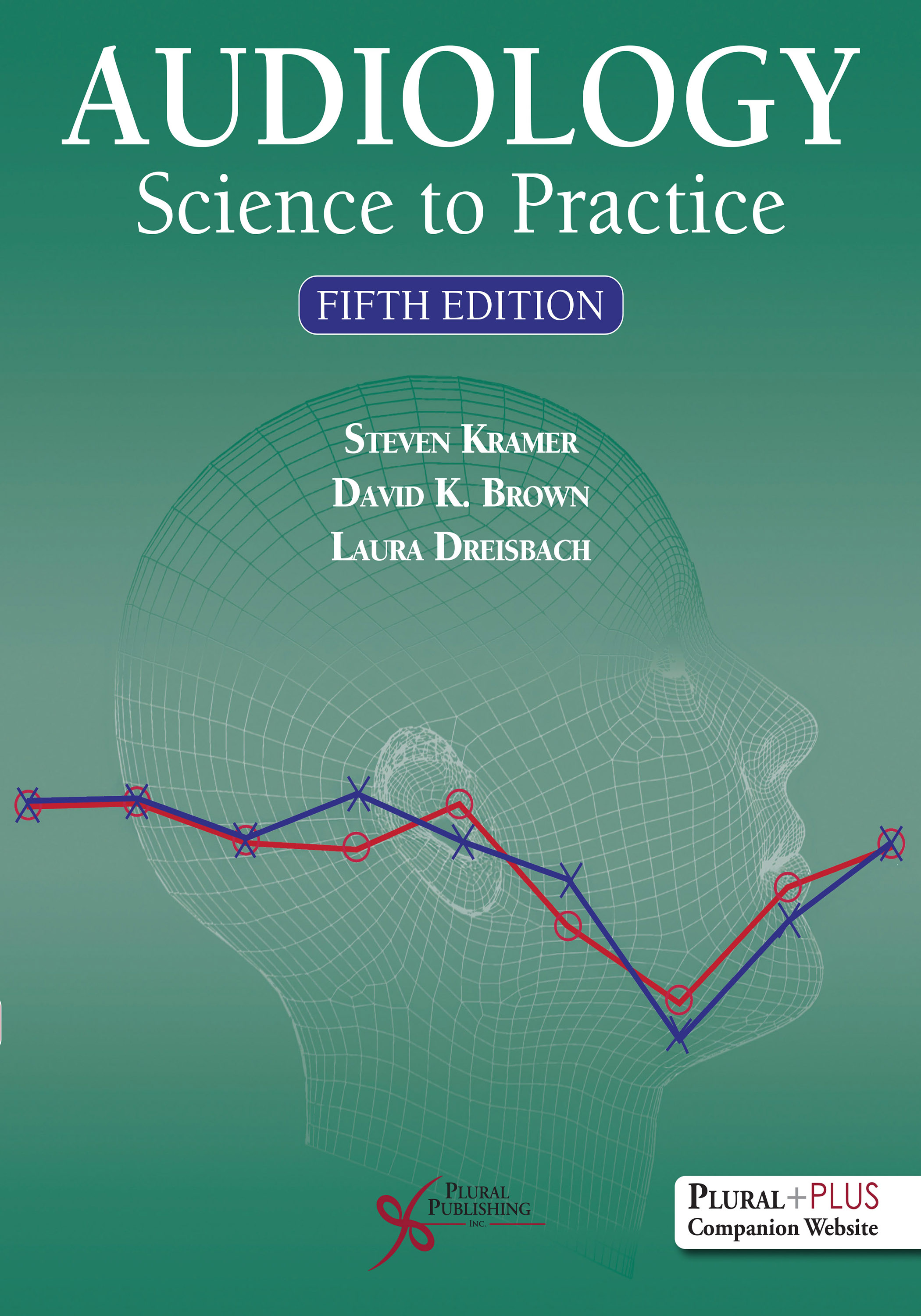
Audiology: Science to Practice
Fifth Edition
Steven Kramer, David K. Brown, Laura Dreisbach
Details: 513 pages, 2-Color, Softcover, 8.5" x 11"
ISBN13: 978-1-63550-884-0
© 2027 | Coming Soon
Release Date: 10/28/2026
For Instructors
Purchase
Available for purchase starting 10/23/2026
Print Book: $134.95
eBook: $134.95
Audiology: Science to Practice, Fifth Edition, continues to set the standard for introducing students to the dynamic field of audiology by seamlessly integrating foundational science with real-world clinical application. Written specifically for undergraduate and beginning graduate courses in audiology and hearing science, this trusted text provides a clear, engaging, and comprehensive overview of hearing and balance science, assessment, and management.
Designed for students with little or no prior background in audiology, the text presents complex concepts in an accessible, student-friendly style. From the physics of sound and speech acoustics to anatomy and physiology of the auditory and vestibular systems, and from diagnostic testing to contemporary intervention options, the text emphasizes how scientific principles inform clinical decision-making. Rich illustrations, practical examples, and consistent pedagogical features help students build confidence as they develop a solid foundation for advanced coursework and future clinical training.
Whether students are exploring audiology as a potential career, preparing for professional study in speech-language pathology, or are enrolled in an audiology graduate program, Audiology: Science to Practice offers a coherent, practice-oriented roadmap to the profession.
New to the Fifth Edition
- Thoroughly updated content reflecting current audiology practice, standards, and terminology
- Expanded and refined coverage of vestibular science and evaluation
- Updated discussions of hearing aid technology, implantable devices, and hearing assistive technologies
- Revised figures, tables, and learning aids to enhance clarity and visual learning
- Streamlined organization and refreshed references to support teaching and student comprehension
Key Features
- 280 figures and tables help clarify and expand on key concepts
- Chapters begin with a list of learning objectives and end with key references
- Punctuated with historical and informational set-aside boxes
- An easy-to-read writing style to help students understand essential scientific concepts
- Key terms highlighted throughout with a helpful end-of-book glossary
COMPANION WORKBOOK AVAILABLE!
Put learning into practice with the Audiology Workbook, Fifth Edition. The spiral-bound workbook reinforces key concepts and builds clinical reasoning through audiogram interpretation, clinical scenarios, calculation exercises, labeling activities, and critical thinking questions.
PluralPlus Online Ancillaries
For instructors: PowerPoint Slides, Test Bank, Course Outline
For students: eFlashcards, Case Studies, Online-only Bonus Chapter, List of Links from QR Codes
Contents
Preface
About the Editors
Contributors
PART I. Perspectives on the Profession of Audiology
Chapter 1. The Discipline of Audiology
Professional Organizations in the United States
Development of the Profession of Audiology
References
Chapter 2. Audiology as a Career
Education and Professional Credentials in the United States
What Do Audiologists Do?
Membership Demographics in the United States and Work Settings
References
PART II. Fundamentals of Hearing and Balance Science
Chapter 3. Properties of Sound and Speech Acoustics
Simple Vibrations and Sound Transmission
Frequency
Wavelength
Other Factors That Affect Sound Propagation
Phase
Amplitude
Intensity and Pressure
Decibels
Inverse Square Law
Audibility by Frequency
Complex Sounds
Signal-to-Noise Ratio
Resonance
Distortion
Acoustics of Speech
Filtering
Psychoacoustics
References
Chapter 4. Anatomy of the Auditory and Vestibular Systems
Overview and General Orientation
Outer Ear
Middle Ear
Inner Ear
Neural Pathways
References
Chapter 5. Functions of the Auditory and Vestibular Systems
Air-to-Fluid Impedance Mismatch
Outer Ear
Middle Ear
Inner Ear (Cochlea)
Cochlear Nerve
Summary of the Auditory Transduction Process
Tuning Curves
Frequency Coding
Intensity Coding
Vestibular System
References
PART III. Evaluation of the Auditory and Vestibular Systems
Chapter 6. Preparation for Testing and Pure-Tone Audiometry
Preparation for Testing
Case History
Otoscopy
Pure-Tone Audiometry
Test Environment
Audiometers
Transducers
Air Conduction Versus Bone Conduction Testing
Obtaining Pure-Tone Thresholds
Variables Influencing Thresholds
Variations With Young Children or Difficult-to-Test Populations
References
Chapter 7. Audiogram Interpretation
Audiogram
Describing Audiograms
Other Audiogram Situations to Consider
Pure-Tone Average
Decibel Sensation Level
References
Chapter 8. Speech Audiometry
Speech Testing Equipment and Calibration
Speech Threshold Measures
Word Recognition Score
Interpreting Word Recognition Scores
Speech-in-Noise Tests
Variations With Young Children or Difficult-to-Test Populations
References
Chapter 9. Masking for Pure-Tone and Speech Audiometry
Interaural Attenuation
Maskers
Making Decisions on When to Mask
How to Mask for Air Conduction Pure-Tone Thresholds (Plateau Method)
How to Mask for Bone Conduction Pure-Tone Thresholds (Plateau Method)
Summary of Pure-Tone Masking Steps
Masking Examples for Pure-Tone Thresholds
Masking for Speech Audiometry
References
Chapter 10. Immittance
Immittance Concepts
Tympanometry
Wideband Acoustic Immittance
Acoustic Reflex Threshold
Acoustic Reflex Decay
References
Chapter 11. Auditory Evoked Physiologic Responses
Otoacoustic Emissions
Auditory Brainstem Responses
Auditory Steady-State Responses
References
Chapter 12. Screening for Hearing Loss
Historical and Current Practice Guidelines
Hearing Identification Programs
Screening the Hearing of Newborns
School-Age Children
Adults
Screening Outcomes and Efficacy
References
Chapter 13. Vestibular Evaluation
Nystagmus
Basic Test Battery
Office/Bedside Screening
References
Chapter 14. Disorders of Hearing and Balance
Describing Hearing Disorders
Outer Ear
Middle Ear
Inner Ear (Cochlear) Acquired
Auditory Nerve and Central Nervous System
False and Exaggerated Hearing Loss
Tinnitus
Vestibular System
References
PART IV. Treatment/Management of Hearing and Balance Problems
Chapter 15. Hearing Aids
H. Gustav Mueller
Hearing Aid Dispensing
Workflow for the Selection and Fitting of Hearing Aids
Assessment of Hearing Aid Candidacy—Step 1
Treatment Planning—Step 2
Selection and Fitting of Hearing Aids—Step 3
Basic Hearing Aid Styles
Hearing Aid Programming
Verification—Step 4
Orientation—Step 5
Validation—Step 6
Hearing Assistive Technology Systems
References
Chapter 16. Implantable Devices
Bone-Anchored Implant
Middle Ear Implant
Cochlear Implant
Auditory Brainstem Implant
References
Chapter 17. Other Treatments and (Re)habilitation of Hearing and Balance Disorders
Cerumen Management
Tinnitus
Aural Habilitation
Aural Rehabilitation
Vestibular Rehabilitation
References
Chapter 18. Role of the Speech-Language Pathologist
Collaboration
Counseling
Prevention and Wellness
Screening
Assessment
Treatment
Modalities, Technology, and Instrumentation
Population and Systems
References
Glossary
Index

Steven Kramer
Steven Kramer, PhD, is Professor Emeritus in the School of Speech, Language, and Hearing Sciences at San Diego State University, where he has been a faculty member and administrator since 1985. He served as the department chair from 1990 to 2001 and as the Co-director of the Audiology Doctoral (AuD) Program, offered jointly by San Diego State University (SDSU) and the University of California San Diego (UCSD), from 2003 to 2016. He obtained his master’s and doctoral degrees in audiology and hearing science from the University of Florida. He was a clinical faculty member at the University of Texas Medical Branch in Galveston, Texas. He has taught a wide array of courses at the undergraduate and graduate levels, including hearing science, diagnostics, medical audiology, evoked potentials, and psychoacoustics.

David K. Brown
David K. Brown, PhD, CCC-A, has been Professor in the School of Audiology at Pacific University since it enrolled its first students in 2012. He is also the Director of the Audiology Simulation Lab (AUD SIMLab) at Pacific. Previously, he was Director of Audiological Research for Cincinnati Children’s Hospital Medical Center and Assistant Professor in the Departments of Otolaryngology and Communication Sciences and Disorders at the University of Cincinnati. For the past 40 years, he has been a licensed and certified audiologist specializing in pediatrics. He teaches courses at both the undergraduate and graduate levels in the areas of acoustics, anatomy and physiology, audiometry, evoked potentials, otoacoustic emissions, pediatrics and research fundamentals.
Audiology: Science to Practice, Fifth Edition comes with access to supplementary student and instructor resources on a PluralPlus companion website.
The companion website is located at: https://www.pluralpublishing.com/publication/asp5e
STUDENTS:
The student resources include eFlashcards, Case Studies, Online-only Bonus Chapter, and List of Links from QR Codes.
To access the student resources, you must register on the companion website and log in using the access code located in the front of your textbook.
INSTRUCTORS:
The instructor resources include PowerPoint Slides, Test Bank, and Course Outline. You will also have access to all of the student resources listed above.
To access the instructor resources, you must contact Plural Publishing, Inc. to be verified as an instructor and receive your access code.
Email: instructormaterials@pluralpublishing.com
Tel: 866-758-7251 (toll free) or 858-492-1555
*Note for students: If you have purchased this textbook used or have rented it, your access code will not work if it was already redeemed by the original buyer of the book. Plural Publishing does not offer replacement access codes for used or rented textbooks.
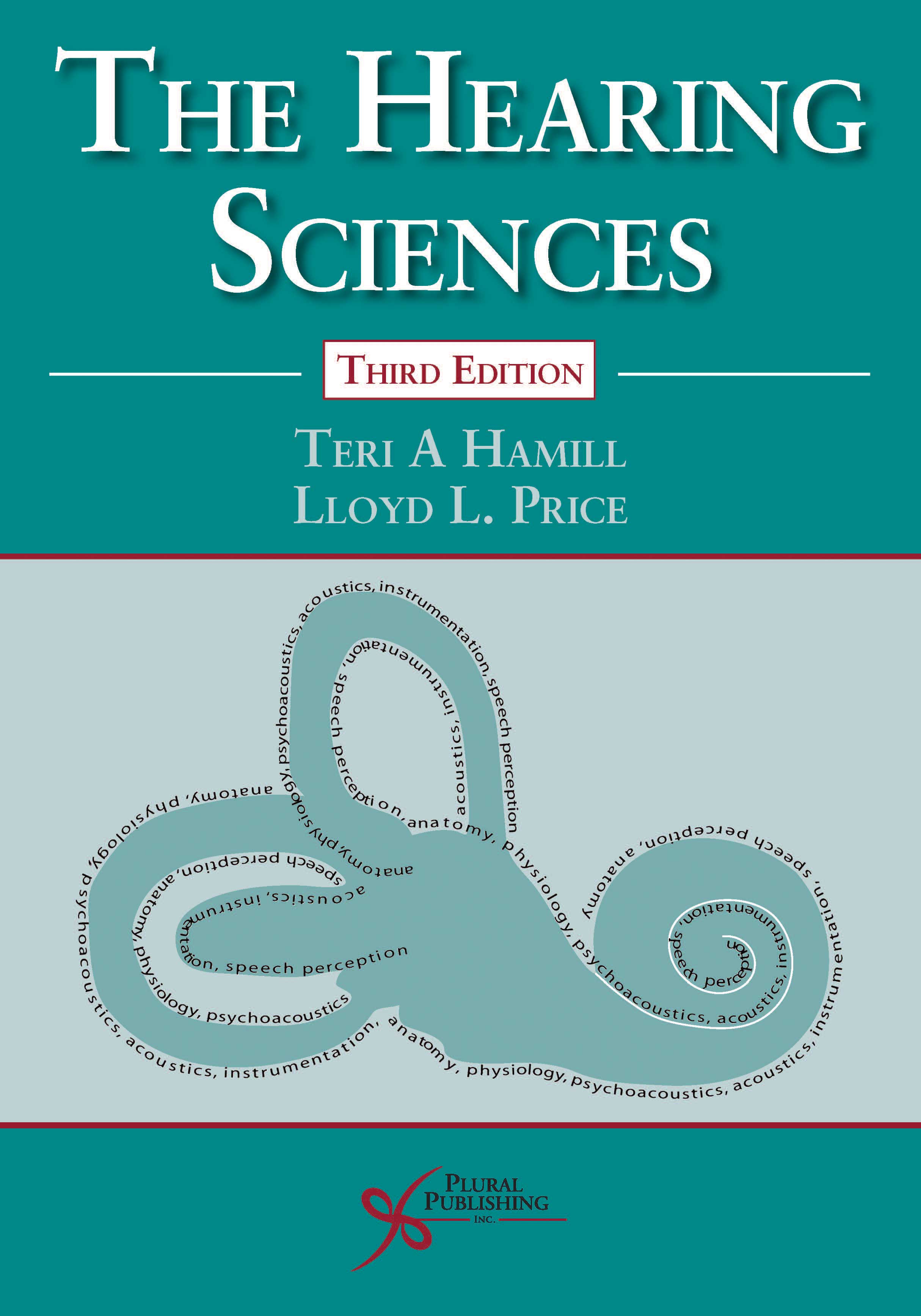
The Hearing Sciences
Third Edition
Teri A. Hamill, Lloyd L. Price
Details: 637 pages, B&W, Softcover, 8.5" x 11"
ISBN13: 978-1-94488-363-8
© 2019 | Available
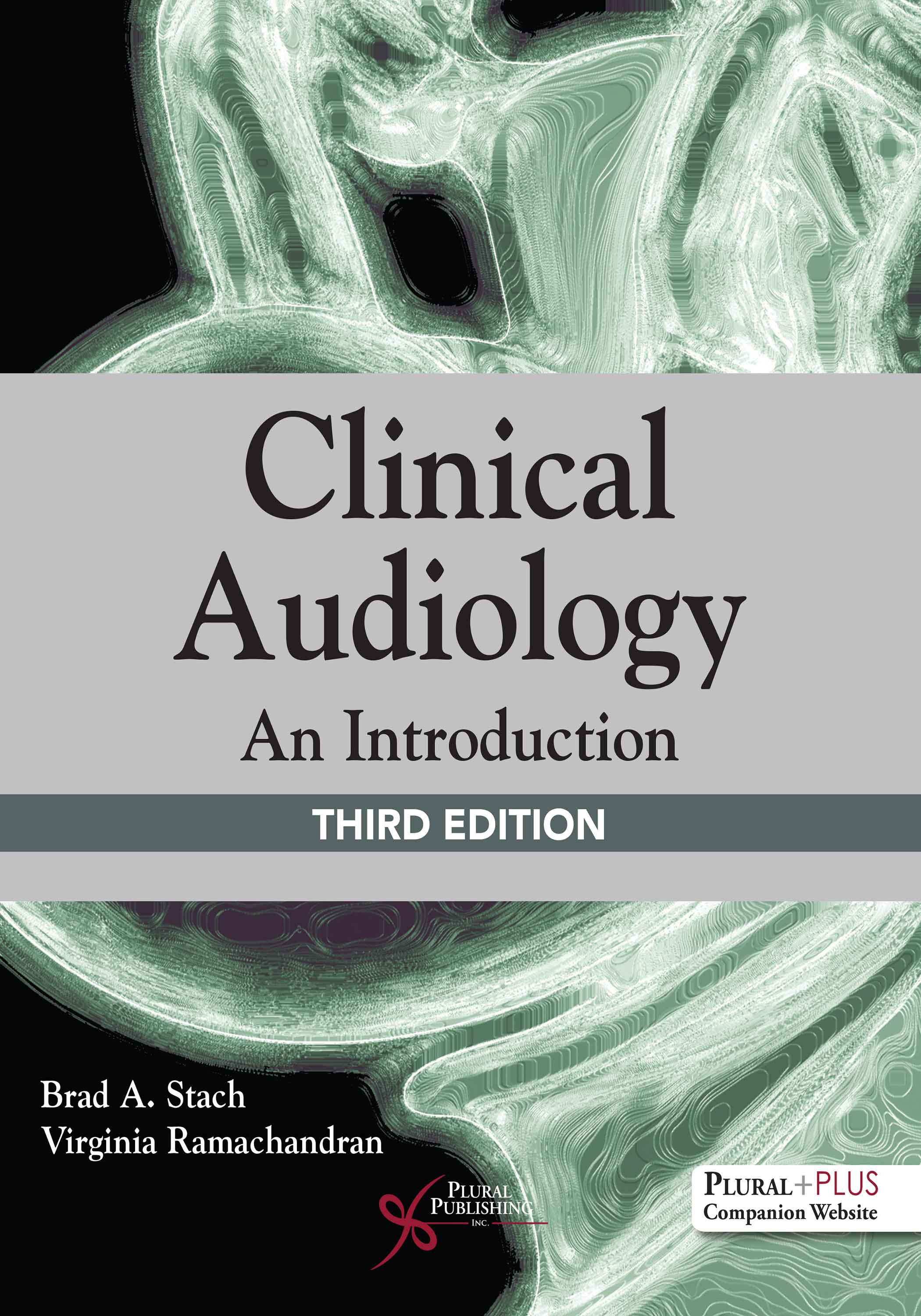
Clinical Audiology: An Introduction
Third Edition
Brad A. Stach, Virginia Ramachandran
Details: 575 pages, 2-Color, Hardcover, 8.5" x 11"
ISBN13: 978-1-94488-371-3
© 2022 | Available
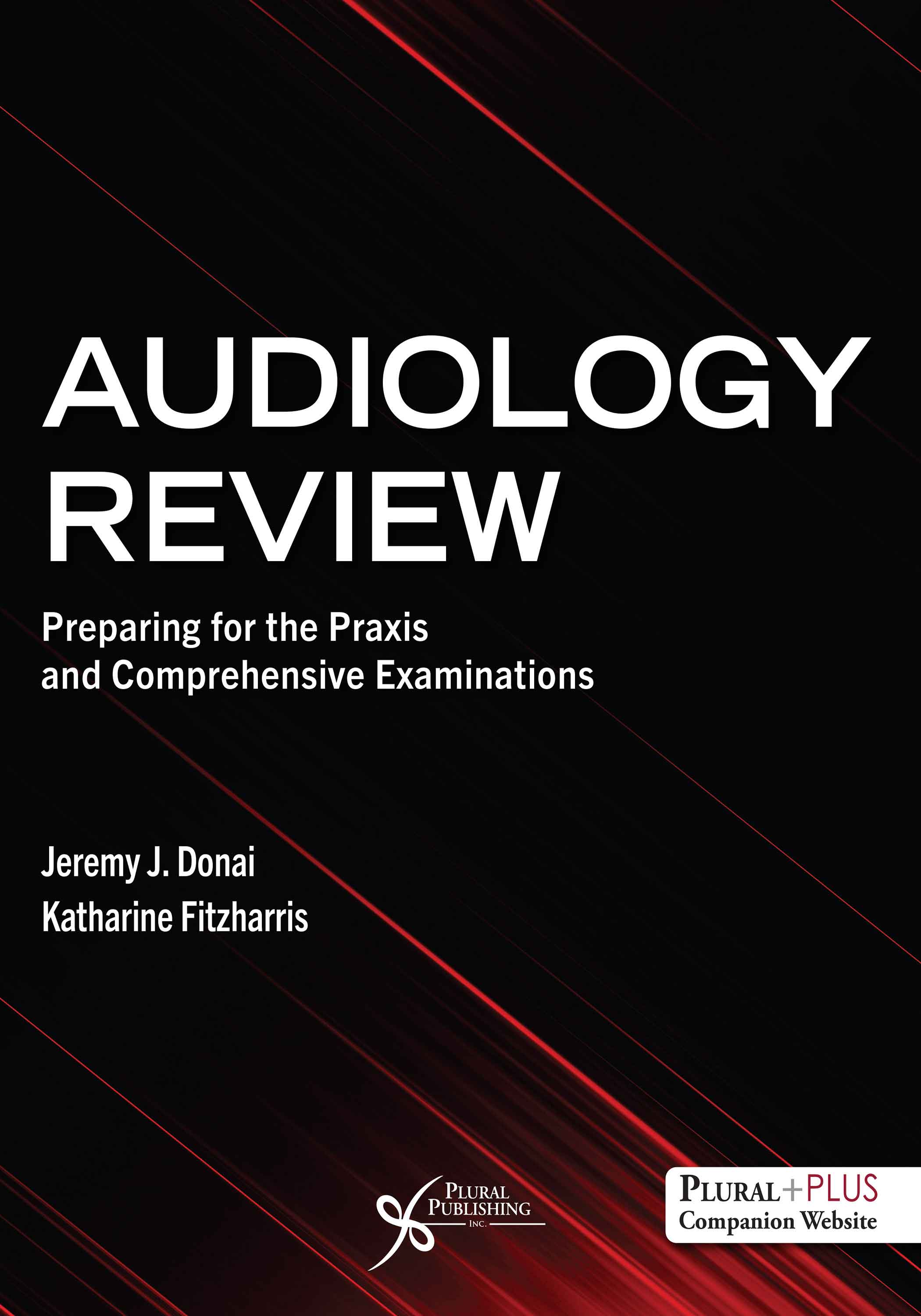
Audiology Review: Preparing for the Praxis and Comprehensive Examinations
First Edition
Jeremy J. Donai, Katharine Fitzharris
Details: 610 pages, B&W, Softcover, 8.5" x 11"
ISBN13: 978-1-63550-552-8
© 2024 | Available
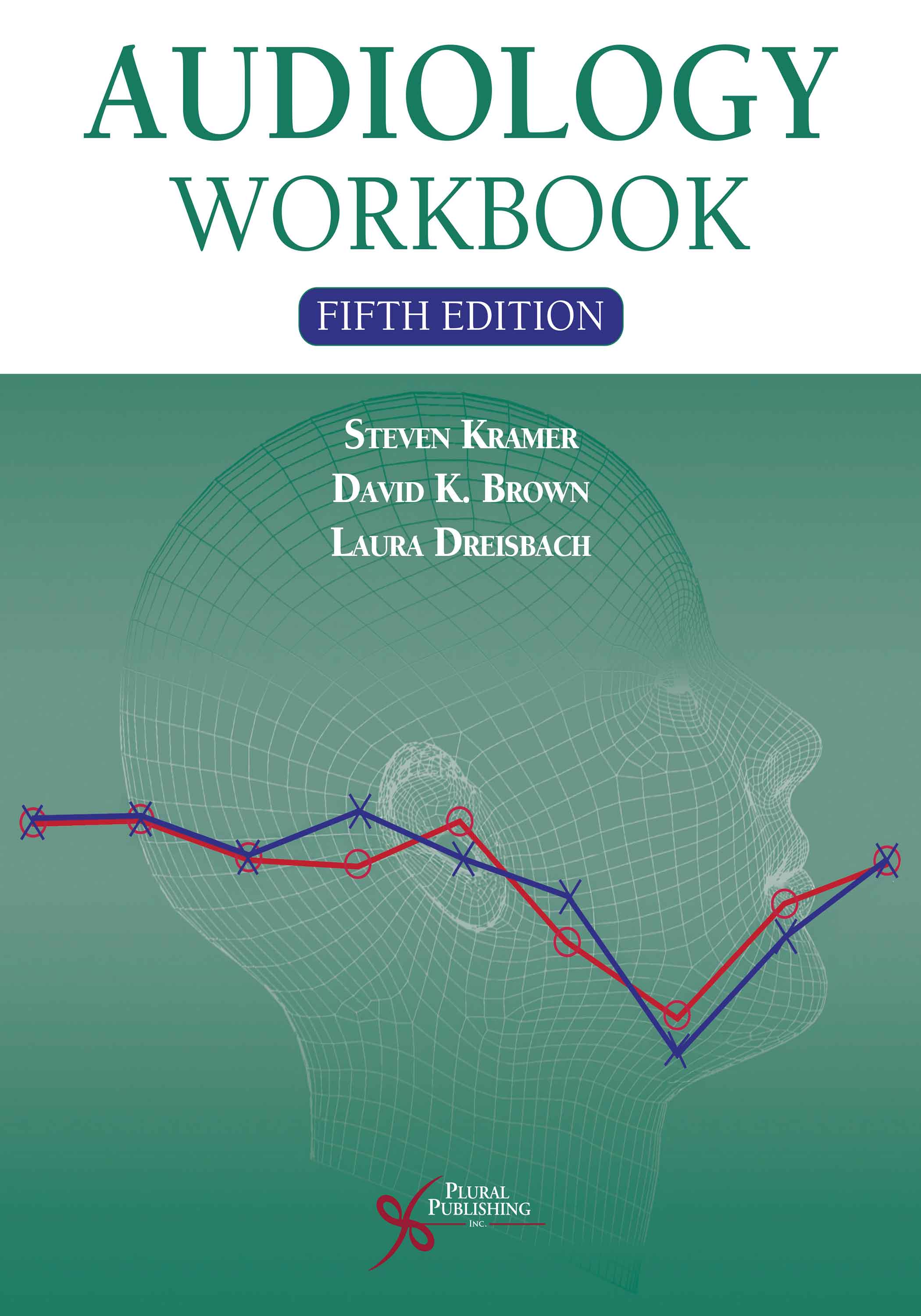
Audiology Workbook
Fifth Edition
Steven Kramer, David K. Brown, Laura Dreisbach
Details: 525 pages, 2-Color, Softcover, 8.5" x 11"
ISBN13: 978-1-63550-873-4
© 2027 | Coming Soon
Release Date: 10/23/2026