

Cognitive-Communication Disorders of MCI and Dementia: Definition, Assessment, and Clinical Management
Fourth Edition
Kathryn Bayles, Kimberly McCullough, Cheryl K. Tomoeda
Details: 290 pages, B&W, Softcover, 7" x 10"
ISBN13: 978-1-63550-883-3
© 2028 | Coming Soon
Release Date: 11/04/2026
For Instructors
Purchase Print Book
Price: $102.95
A Must-Have Resource for Clinicians, Instructors, and Students in Training!
Cognitive-Communication Disorders of MCI and Dementia: Definition, Assessment, and Clinical Management, Fourth Edition provides a comprehensive, evidence-based examination of cognitive-communication disorders associated with mild cognitive impairment (MCI) and dementia. Designed for graduate students in speech-language pathology and related disciplines, as well as practicing clinicians, this fully updated text integrates current neuroscience, cognitive science, and clinical practice to support accurate diagnosis, differential assessment, and person-centered intervention across a range of neurodegenerative disorders. Coverage includes Alzheimer’s disease, vascular dementia, Parkinson’s disease dementia, Lewy body disease, Huntington’s disease, frontotemporal dementia, and dementia associated with Down syndrome, with detailed discussion of communication, cognition, memory, and functional outcomes.
The Fourth Edition emphasizes early identification, neuroplasticity, cognitive reserve, and evidence-based intervention strategies that promote quality of life and communicative participation. Rich clinical guidance, practical assessment procedures, and reimbursement considerations prepare readers to translate research into effective clinical management across healthcare settings.
New to the Fourth Edition
- Expanded coverage of Mild Cognitive Impairment (MCI) and Mild Neurocognitive Disorder (mNCD)
- New discussion of LATE (Limbic-Predominant Age-Related TDP-43 Encephalopathy)
- Updated research on neuroplasticity, cognitive reserve, and cognitive stimulation
- Enhanced evidence-based intervention strategies and person-centered care approaches
- New content on technology supports, caregiver education, and reimbursement considerations
- Current research findings integrated throughout all dementia chapters
Key Features
- Comprehensive overview of cognitive-communication disorders across dementia types
- Step-by-step guidance for assessment, differential diagnosis, and clinical intervention
- Neuroscience-based treatment strategies grounded in current evidence
- Practical frameworks for individualized and culturally responsive care
- Case-based clinical applications and functional communication strategies
PluralPlus Online Ancillaries
For instructors: PowerPoint Slides, Test Bank
Contents
Preface
Acknowledgments
Chapter 1. Mild Cognitive Impairment and Dementia: Role of Speech-Language Pathologists
Introduction
Communication Defined
Rationale for Therapy
Summary of Important Points
References
Chapter 2. Cognition, Memory, and Communication
Cognition
The “Company of Cognition”
Memory Defined
Relation of Cognition and Memory to Communication
Summary of Important Points
References
Chapter 3. Mild Cognitive Impairment and Mild Neurocognitive Disorder
Introduction
Distinguishing Healthy Aging From Mild Cognitive Impairment/Mild Neurocognitive Disorder
Identifying MCI/mNCD
Risk of MCI/mNCD and Protective Factors
Conversion to Dementia
Conclusion
Summary of Important Points
References
Chapter 4. Alzheimer’s Dementia
Alzheimer’s Disease Introduction
All-Cause Dementia
Healthy Brains Versus AD
Risk Factors for AD
Disease Progression
Protective Factors
Effects of AD on Cognitive Functions
Summary of Important Points
References
Chapter 5. Dementia and Down Syndrome
Introduction
Common Features of People With Down Syndrome
Risk of Developing Alzheimer’s Disease
Prevalence of Dementia in DS
Diagnosing Dementia in Individuals With DS
Language and Communication Skills of Adults With DS
Summary of Important Points
References
Chapter 6. Vascular Dementia
Introduction
Neuropathology
Diagnostic Criteria
Risk Factors for Vascular Dementia
Vascular Pathology Can Be a Trigger for Alzheimer’s Dementia
Comparison of Effects of Cortical and Subcortical Pathologies on Cognition and Communicative Function
Observations From Course-of-Disease Studies
Summary: Effects of Vascular Cognitive Impairment on Cognitive and Communicative Functioning
Conclusion
Summary of Important Points
References
Chapter 7. Parkinson’s Disease and Dementia
Parkinson’s Disease and Parkinsonism
Breakthroughs in PD
Incidence and Prevalence
Symptoms of PD: Motor, Affective, Cognitive
Neuropathology of PD
Risk Factors
Cognition: A Continuum From Normal to Dementia
Diagnostic Criteria for PD
Nature of Impairments
Communicative Function
Relation of PD With Dementia, Dementia With Lewy Bodies, and Alzheimer’s Disease
Summary of Important Points
References
Chapter 8. Dementia and Lewy Body Disease
Lewy Body Disease
Caregivers’ Report of Early Symptoms
LBD Risk Factors
LBD and Depression
LBD and Language and Communicative Function
A Case of Pure LBD
Cognitive Profile of LBD Compared With Alzheimer’s Disease
Cognitive Profile of LBD Compared With Parkinson’s Disease With Dementia
Summary of Important Points
References
Chapter 9. Huntington’s Disease and Dementia
Overview and Genetics of Huntington’s Disease
Neuropathology of HD
Symptomatology
Effects on Cognition
Language
Dysphagia: A Concern
Cognition and Communication
Summary of Important Points
References
Chapter 10. Frontotemporal Dementia
Introduction
Diagnosis of Frontotemporal Dementia
Behavioral Presentation
Language Presentation of FTD: Primary Progressive Aphasias
Differentiating the Behavioral Variant of FTD From the PPA Variants
Amyotrophic Lateral Sclerosis and FTD
Key Breakthroughs and Research Areas
Summary of Important Points
References
Clinical Management: Assessments and Interventions for Cognitive-Communication Disorders of Dementia
Clinical Section I. Assessment
Introduction
Assessment Procedures
Criteria for Diagnosing Mild Cognitive Impairment/Mild Neurocognitive Disorder and Dementia
Tests for Diagnosing MCI and Dementia
Differentiating the Types of Dementia
Summary of Important Points
References
Clinical Section II. Neuroscience-Based Clinical Intervention
Introduction
Early Intervention for Mild Cognitive Impairment
Dementia
Neuroplasticity
Clinical Strategies That Strengthen Neuroplasticity
Summary of Important Points
References
Clinical Section III. A Framework for Person-Centered Care
Introduction
Physical State of Clients: Sleep, Diet, and Exercise
Cognitive Training, Exercise, Diet, and Vascular Risk
Attention to Possible Sensory Deficits
Target Skills and Behaviors That Have the Potential to Improve
Strategies to Support Memory
Cultural Considerations and Client Care
Individual and Group Therapy
Provide Communicative Engagement and Socialization
Duration of Intervention
Use Objective and Subjective Measures of Skill Strength and Learning
Looking Forward
References
Clinical Section IV. Supporting Individuals With MCI and Dementia
Creating a Safe Environment
Driving Risks
Avoid Placing Patients in a Free-Recall Situation
Linguistic Modifications to Improve Communication
Improving Language Production
Support of Feeding
Environmental Modifications
Facilitate Perception of Stimuli
Facilitating Mood and Behavior
Technologies to Support Cognition, Communication, and Memory
Caregiver Education and Support
A Medicare Guidebook for Navigating the Dementia Journey
Family Counseling
Caregiver Education and Training
References
Clinical Section V. Reimbursement and Care Planning
Introduction
Federal Law Mandates Care
Centers for Medicare and Medicaid Services
Medicare’s Comprehensive Assessment
Role of the Speech-Language Pathologist
Medicare Review Threshold for Therapy Claims
Using Test Performance to Develop Treatment Plans
Planning Intervention
Documentation Is Critical
Synopsis
References
Index

Kathryn Bayles
Kathryn Bayles, PhD is an internationally known expert on the cognitive-communicative disorders of dementia. Now Professor-Emerita at the University of Arizona, Dr. Bayles has served as Department Head of Speech, Language and Hearing Sciences and Associate Director for the National Center for Neurogenic Communication Disorders. Her research has received support from the National Institutes on Aging, Mental Health, Deafness and Other Communication Disorders, the Alzheimer’s Association and the Robert Wood Johnson and Andrus Foundations. She is a Fellow in the American Speech-Language-Hearing Association and Honors recipient and a Past President of the Academy of Neurologic Communication Disorders and Sciences.

Kimberly McCullough
Kim McCullough PhD, CCC-SLP is a Professor and Graduate Program Director at Appalachian State University. Dr. McCullough is a certified speech-language pathologist with clinical expertise in providing services to individuals with neurogenic communication disorders. Dr. McCullough’s clinical activities and research focus on aging, mild cognitive impairment, dementia, and interventions for sustaining brain function. At Appalachian State University, she teaches the following courses: Neuroscience of Communication, Adult Neurogenic Communication Disorders, and Motor Speech Disorders. Dr. McCullough serves as the BCHS IPE program director. In this role she is responsible for planning, coordinating, and implementing interprofessional education within the college. In addition to her classroom and clinic teaching responsibilities, Dr. McCullough often mentors student research projects and theses.

Cheryl K. Tomoeda
Cheryl K. Tomoeda, MS, CCC-SLP is Associate Director of Development for the University of Arizona College of Science after a 22-year career in the Department of Speech, Language, and Hearing Sciences. She is known for her work with Dr. Kathryn Bayles on the communication abilities of individuals with dementia. The two have collaborated on three other books, and co-authored two standardized tests for evaluating the cognitive-communication disorders of dementia, and conducted research on this topic for over 20 years.
A Coursebook on Aphasia and Other Neurogenic Language Disorders, Sixth Edition comes with access to supplementary instructor resources on a PluralPlus companion website.
The companion website is located at: https://www.pluralpublishing.com/publication/ccdmcid4e
INSTRUCTORS:
The instructor resources include PowerPoint Slides and Test Bank. You will also have access to all of the student resources listed above.
To access the instructor resources, you must contact Plural Publishing, Inc. to be verified as an instructor and receive your access code.
Email: instructormaterials@pluralpublishing.com
Tel: 866-758-7251 (toll free) or 858-492-1555
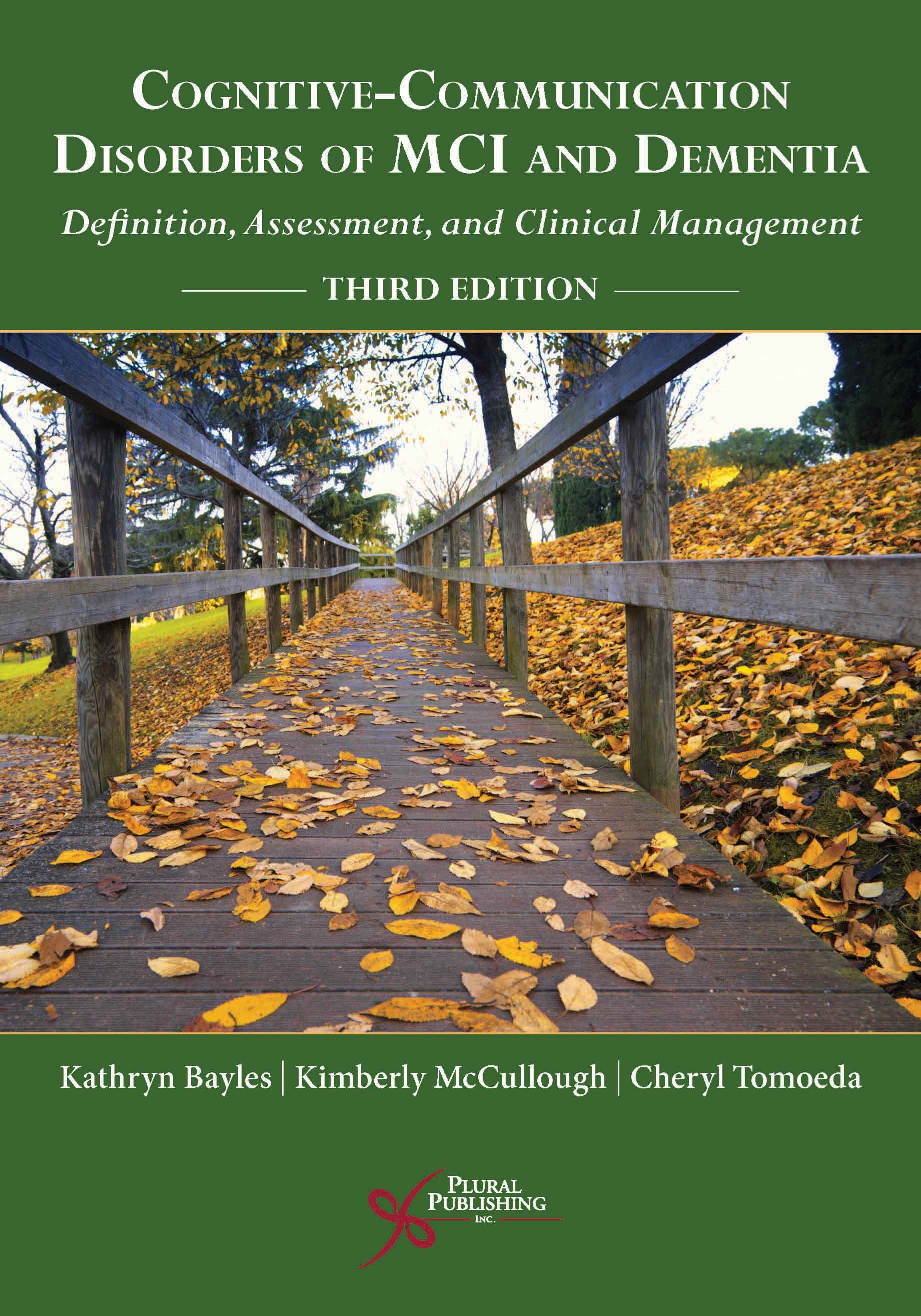
Cognitive-Communication Disorders of MCI and Dementia: Definition, Assessment, and Clinical Management.
Third Edition
Kathryn Bayles, Kimberly McCullough, Cheryl K. Tomoeda
Details: 265 pages, B&W, Softcover, 7" x 10"
A New Edition is Coming Soon!
ISBN13: 978-1-63550-060-8
© 2020 | Available
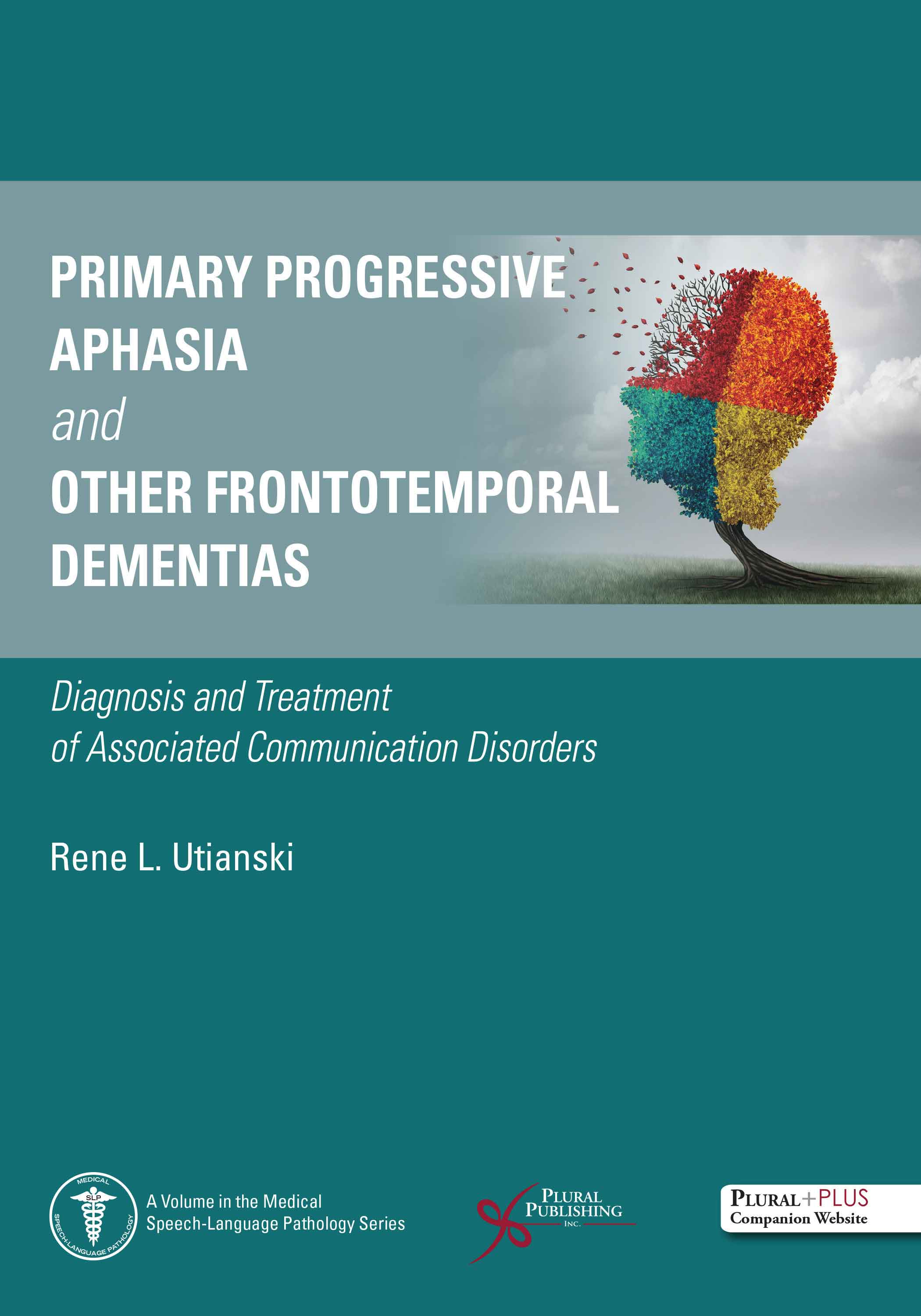
Primary Progressive Aphasia and Other Frontotemporal Dementias: Diagnosis and Treatment of Associated Communication Disorders
First Edition
Rene L. Utianski
Details: 188 pages, B&W, Softcover, 7" x 10"
ISBN13: 978-1-63550-160-5
© 2020 | Available
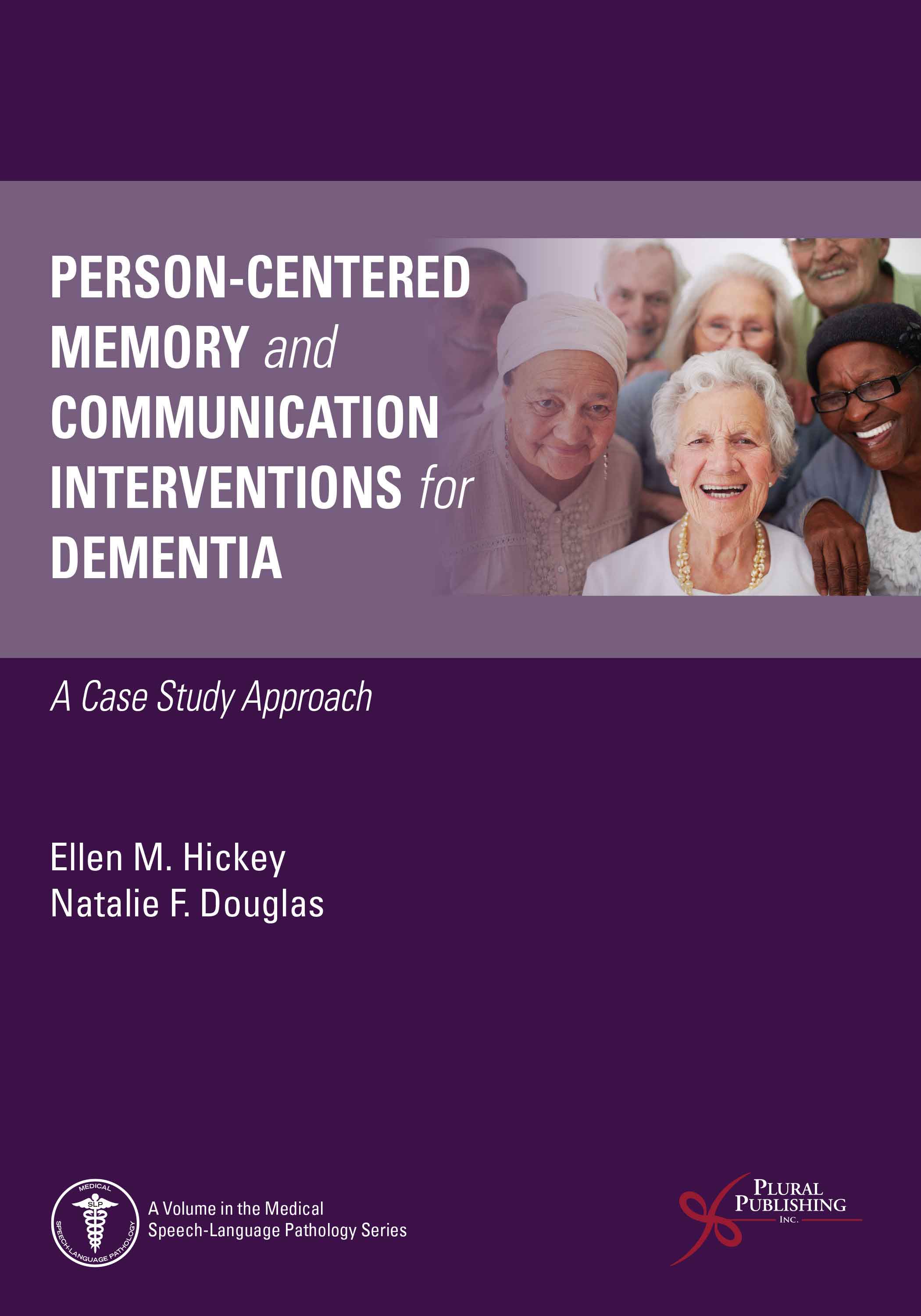
Person-Centered Memory and Communication Interventions for Dementia: A Case Study Approach
First Edition
Ellen M. Hickey, Natalie F. Douglas
Details: 178 pages, B&W, Softcover, 7" x 10"
ISBN13: 978-1-63550-301-2
© 2021 | Available
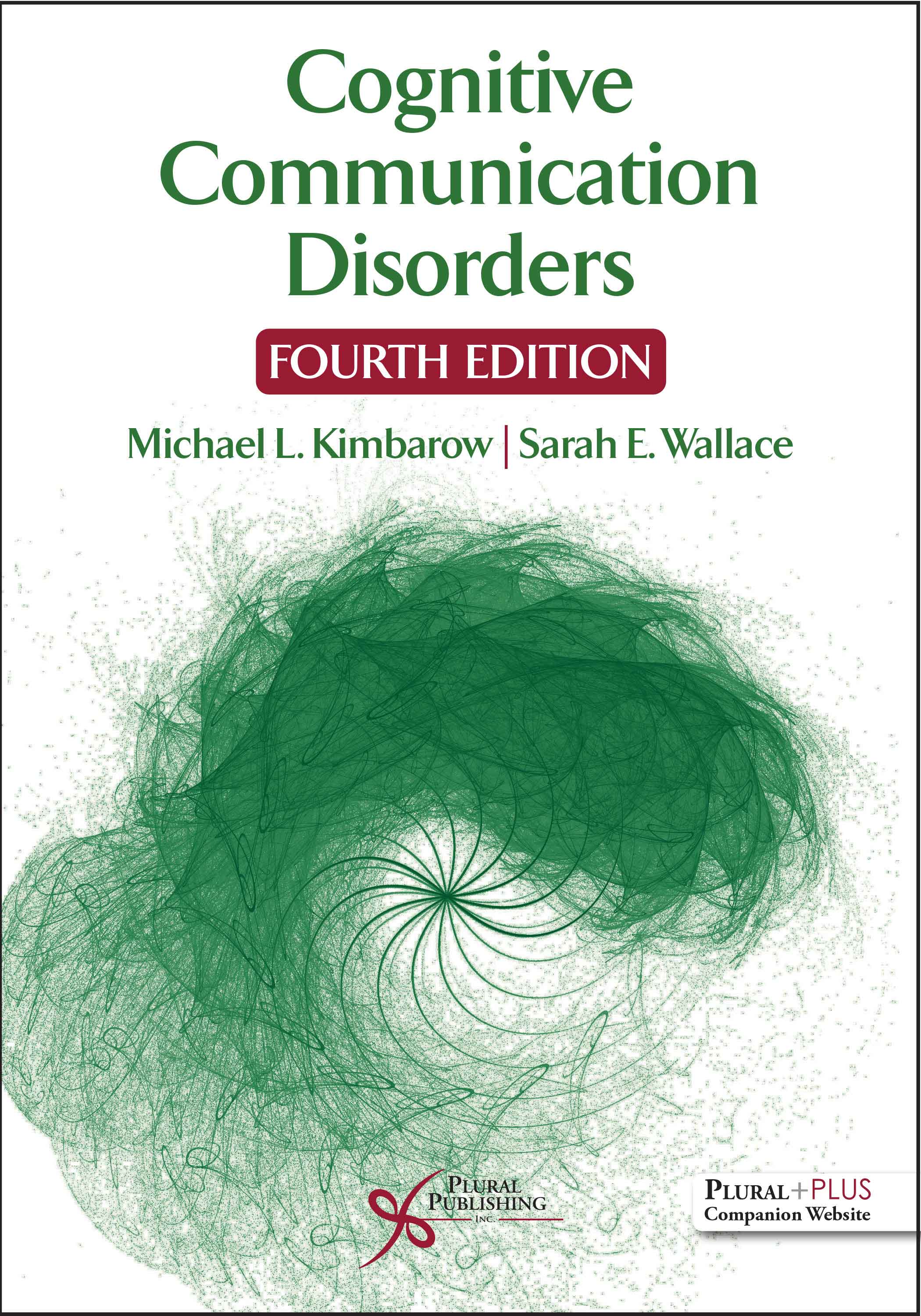
Cognitive Communication Disorders
Fourth Edition
Michael L. Kimbarow, Sarah E. Wallace
Details: 550 pages, B&W, Softcover, 7" x 10"
ISBN13: 978-1-63550-511-5
© 2024 | Available
Acquired Language Disorders: A Case-Based Approach
Fourth Edition
Evelyn R. Klein, James M. Mancinelli, Ryan S. Husak
Details: 355 pages, B&W, Softcover, 8.5"x11"
ISBN13: 978-1-63550-700-3
© 2026 | Available

Mild Traumatic Brain Injury and Concussion in Infants, Children, and Adolescents: An Evidence-Based Clinical Guide
First Edition
Paul T. Fogle
Details: 453 pages, B&W, Softcover, 7" x 10"
ISBN13: 978-1-63550-763-8
© 2027 | Coming Soon
Release Date: 11/04/2026