
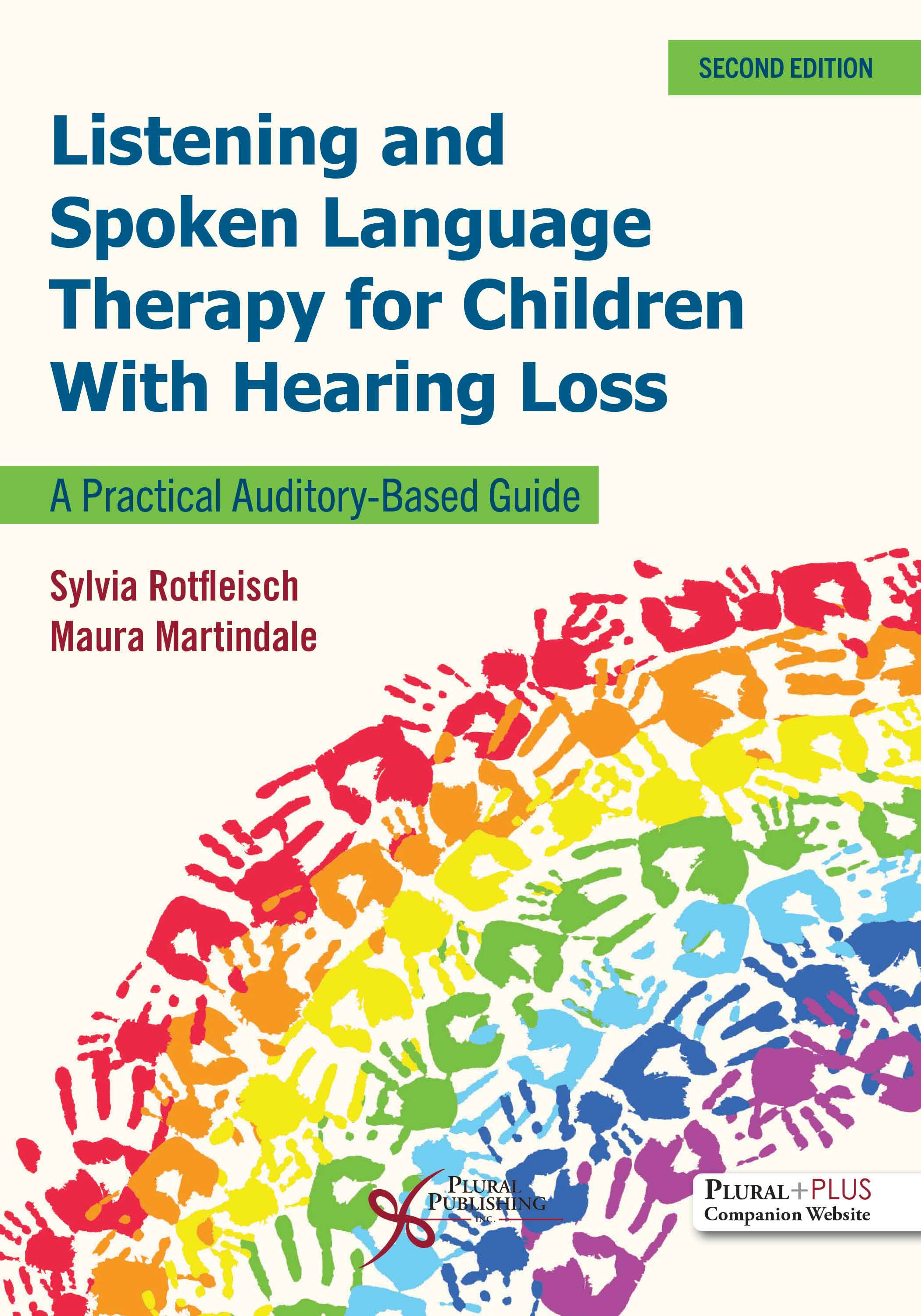
Listening and Spoken Language Therapy for Children With Hearing Loss: A Practical Auditory-Based Guide
Second Edition
Sylvia Rotfleisch, Maura Martindale
Details: 352 pages, Full Color, Softcover, 7" x 10"
ISBN13: 978-1-63550-783-6
© 2027 | Available
For Instructors
Purchase
This graduate-level textbook and reference for practicing clinicians offers a comprehensive and practical framework for providing auditory-based Listening and Spoken Language (LSL) therapy to children with hearing loss. Grounded in research and shaped by classroom and clinical experience, the book equips professionals with the strategies, developmental models, and family-centered tools needed to guide children from their first responses to sound through advanced communication skills. The framework is applicable across the disciplines of speech-language pathology, audiology, and deaf education, as well as a wide range of therapy settings, including university clinics, private practice, and schools.
The second edition of Listening and Spoken Language Therapy for Children with Hearing Loss integrates new research, updated clinical instruments, and enhanced resources to support both teaching and practice.
New to the Second Edition
- Expanded Speech Acoustics chapter with updated rainbow audiogram graphics, additional tables, and advanced audiological and acoustic concepts
- Initial publication of the Screening Auditory Discrimination Assessment (SADA)
- Child-centered goal writing is a focus that begins in the assessment chapter with a new case study and is subsequently integrated into each developmental stage chapter
- Updated research studies and clinical tools reflecting current best practices
- QR codes that lead to key websites and resources for students, instructors, and professionals
Additions to the expanded PluralPlus companion website include
- Suggested in-class activities for on-campus, online, and hybrid instruction
- Ready-to-share parent handouts with clear, accessible explanations of key topics
Key Features
- A “stages-not-ages” framework that aligns therapy with developmental progress rather than chronological age
- A color-coding system for the model and a consistent presentation of content and tables provide clarity and a streamlined experience
- Abundant strategies, dialogues, and session scripts and videos for immediate clinical application for stages
- Extensive tables, figures, and case histories to support assessment, goal setting, and lesson planning
- Consistent use of the International Phonetic Alphabet (IPA) for clarity in speech instruction
PluralPlus Online Ancillaries
For Instructors:
- Instructional PowerPoint Slides Covering Chapter Content
- Test Bank and Answer Key
- Videos and Case Studies with Guidance for Instructional Implementation
- Class Activities
- Discussion Questions
For Students:
- Videos on Content and Stages & Guiding Questions
- Downloadable Content: Tables, Figures, eFlashcards, Parent Handouts, Work Sheets
- Links to Related Organizations, Assessments, Activities, Resources
Reviews
“The text presents an excellent blend of both foundational theoretical information and highly practical information and resources. Key concepts are effectively illustrated through creative analogies, figures, and case studies. I think it’s a must-own resource for listening and spoken language practitioners and students.”
—Courtney Turner, AuD, CCC-A, PASC, Pediatric Audiologist, The Children’s Center for Communication and Development, The University of Southern Mississippi
“This text is like a recipe book on speech acoustics principles providing the professional with step-by-step instructions of how to best support a family who has chosen the listening and spoken language route for their child. It lists key points, including terms and definitions, at the beginning of every chapter highlighting for the reader the most important information within the text. The book also acts as a roadmap helping to determine the efficacy of a child’s listening experiences and use of hearing technology at home and/or school, outlining how to monitor expected and interrelated developmental stages in the areas of listening, language, speech, and cognition. Being given techniques on how to examine diagnostic information gathered to create a family-centered and/or an individual student plan, improve learning and teaching, and empowering the parents and child are a framework every professional in the field must have.“
—Angela Stokes, MEd, LSLS Cert AVEd, Director, Instruction and Teacher Development of the Master’s and Education Specialist Program in Deaf and Hard of Hearing (DHH, Mount Saint Mary’s University/John Tracy Center
“This textbook is well-organized, featuring a logical progression from foundational principles to clinical applications within a developmental framework based on “stages not ages” for auditory-based therapy. …The color-coded models, expanded visuals, and ready-to-use handouts improve clarity and usability. …Case histories transform abstract concepts into real-world examples and help readers understand how therapy strategies are applied in practice. The detailed analysis enables the readers to understand the decision-making process, including how goals are set, adapted, and evaluated over time. Readers can use these examples to model their own therapy sessions, using similar techniques, language prompts, and parent coaching strategies."
—Karen Schwartz, AuD, CCC-A, Assistant Professor, Director of Audiology Services, Touro University
“I really appreciated the tables, figures, case studies, and links to resources. This text is well organized with consistent themes/information throughout; a great guidebook for the classroom and the clinic.”
—Kaitlyn Rippy, AuD, CCC-A, Clinical Assistant Professor, Western Kentucky University
“Great foundation of speech acoustics, the impact of noise, the 6dB rule, and rainbow audiogram. Very useable tables and images! … Wonderful way to apply stages as opposed to ages and to realize that some children may have lower expressive language skills than their auditory skills. I think also the discussion of coaching and encouraging families while being open to the changes in feelings and emotions of families is imperative as well.”
—Joanna Stith, PhD, CCC-SLP, LSLS Cert. AVT, Therapist and CEO, Listening for Life, Adjunct Professor, University of Colorado Boulder
“The case studies in Chapters 6–11 were a standout feature. They effectively synthesized the material and provided real-life scenarios, along with practical tips for implementation. …Each chapter was clearly organized with key points and a concise summary, which made the content more digestible and user-friendly.”
—Katie Stone, MS, CCC-A, Assistant Teaching Professor, Brigham Young University
“I like the use of analogies and concrete examples that will help students with the conceptualization of terms throughout the text. The discussions questions incorporated family centered care and cultural considerations. They also helped build critical thinking skills. The lists of assessment and therapy ideas were thorough and informative, especially for new student clinicians. An emphasis on building listening skills to promote speech, language and cognitive development.”
—Cindy Sendor, MA, CCC-SLP, Assistant Professor, California Baptist University
“This book is really well organized. I like that it starts with the basics of acoustics and counseling considerations, then goes into therapy starting from birth and grows with the child. …The book has excellent examples, graphs and figures to supplement material. This was very helpful as a reader and a nice reference for future use.”
—Kristi Oeding, AuD, PhD, Associate Professor, Minnesota State University, Mankato
"In preparing teachers of the deaf at Butler University, I especially appreciate the speech-language pathology perspective and its relevance to auditory-based intervention. The concept of “stages not ages” helps future professionals understand habilitation as a developmental process."
—Jenna Voss, PhD, CED, LSLS Cert AVEd
"Chapter 2 on guiding and supporting parents and caregivers, is critical in understanding the partnership between the professionals and those that love the child the most. This chapter might be a book on its own as it is an area in which professionals do not receive much training."
—Warren Estabrooks, M.Ed., OCT, LSLS Cert. AVT Emeritus
"The second edition not only preserves the strengths of its predecessor but builds upon them in ways that will be immediately valuable to clinicians at every stage of their careers."
—Rosie Quayle, MRCSLT, PGDipAVT, LSLS Cert AVT
"The book is filled with practical therapy activities, assessment ideas, and family coaching strategies that clinicians can immediately incorporate into everyday practice. Its clear organization and readable style make it equally valuable for graduate students and experienced professionals."
—Carol Flexer, PhD, CCC-A; LSLS Cert. AVT
"One of the most notable strengths of this edition is the expanded coverage of speech acoustics. The revised chapter, including its new section on advanced speech acoustics, provides a thorough, yet highly accessible, treatment of a topic that is often perceived as challenging by graduate students and novice clinicians. Rather than presenting speech acoustics as an isolated area of study, the authors effectively link science to practice by demonstrating its central role in understanding listening, speech production, and language development."
—Kameron C. Carden, Ph.D., CCC/SLP, LSLS Cert. AVEd.
"The online resources are not to be missed. Video clips illustrate child function and therapy activities at each stage. Instructor resources include slide presentations, class activities, and exam questions."
—Helen McCaffrey Morrison, PhD, CCC/A (Retired), LSLS Cert. AVT
"This book is a must-read for a wide range of professionals working with children with hearing loss- those just beginning in the field of spoken language development, as well as experienced professionals, mentors and university instructors training others.
Worth every penny and more!"
—Beth Walker Wooten, M.Ed., C.E.D., LSLS Cert. AVT; LSL mentor; Coordinator, Hearing First Professional Learning Community
"This second edition of Listening and Spoken Language Therapy for Children with Hearing Loss: A Practical Auditory-Based Guide remains a foundational resource for both practitioners and new learners to the field."
—Elizabeth Fitzpatrick, Full Professor, Doctoral Program Director
Contents
Introduction
Acknowledgments
About the Authors
Reviewers
List of Figures
List of Tables
IPA Tables
Chapter 1. Speech Acoustics: The Gold at the End of the Rainbow Audiogram
Sylvia Rotfleisch
Why Do We Need to Understand Speech Acoustics?
Section I. Basics of Sound
Key Points
Terms and Definitions
Basics of Sound
Audiogram
A Sound Basis: The Applications
Hearing Loss and Detection
Audible Versus Intelligible
Modifying the Signal
Ear Shot/Speech Bubble
Background Noise and Noise Clutter
The 6-dB Significance
The 6-dB Rule
Sounds of Speech
The Basics
Applications
Discussion Questions
Section II. Speech Features
Key Points
Terms and Definitions
Speech Features and Acoustic Correlates
The Basics
The Applications Related to Speech Features
Suprasegmentals, Vowels, and Diphthongs
Consonants
Discussion Questions
Section III. Speech Acoustic Tools and Applications
Key Points
Terms and Definitions
Ling Six-Sound Test
Purpose and Administration
Applications of the Ling Six Sounds
Interpretation of the Ling Six Sounds
The Rainbow Audiogram
Applications of the Rainbow Audiogram
Functional Audiogram
Case Study Application of Speech Acoustics Tools
Speech Acoustics and Hearing Loss Configurations
The Gold at the End of the Rainbow Audiogram: Applications for Speech Acoustics
Discussion Questions
Section IV. Advanced Speech Acoustics: Principles, Tools, and Applications
Key Points
Error Analysis to Determine Perception and Error Patterns
Consonants Comprehensive Acoustic Correlates
Sensation Level
Speech Acoustics and the Impact on Speech Production
Speech Acoustics and Language Development
Case Study Application of Speech Acoustics for Speech and Language Development
Discussion Questions
References
Chapter 2. Guiding and Supporting Parents/Caregivers
Maura Martindale
Key Points
Terms and Definitions
Why Are Parents Included in Auditory Sessions?
Getting Started: Planning
Emotional Supports for Families
Teaching Parents and Caregivers: Why Are They Part of Every Session?
Family Life: Activities of Daily Living as the Foundation of Every Session
Engaging Families in Sessions
Cultural Considerations
Screen Time
Speech Acoustics and Parents
Summary
Discussion Questions
References
Chapter 3. Stages Not Ages Model
Sylvia Rotfleisch and Maura Martindale
Key Points
Terms and Definitions
Stages/Sequence of Development (Flow Chart)
Determining the Child’s Level
Expectations for Growth
Brain Functions of Audition
Auditory Processing
Typical Development
Language
Speech
Self-Advocacy
Theory of Mind
Higher-Order Thinking
Summary
Discussion Questions
Cases
Case 1
Case 2
Case 3
References
Chapter 4. Assessment of English Listening, Speech, and Spoken Language
Maura Martindale
Key Points
Terms and Definitions
General Tips for Assessment of Students
Formal, Standardized Tests for Assessment
Checklists, Observations, and Questionnaires
Brain Functions for Listening and Spoken Language
Assessment of Auditory Abilities
The Compass Test of Auditory Discrimination
Screening of Auditory Discrimination Abilities (SADA)
Assessment of Spoken Language
Spoken Vocabulary/Semantics
Language Sampling
Mean Length of Utterance
Pragmatic Functions
Speech Assessment (Phonetic and Phonologic)
How to Align Assessment Data With the Proposed Therapy Model
Prelinguistic Stage
Single-Word Stage
Emerging Word Combinations Stage
Communication With Typical Childlike Errors Stage
Competent Communicator Stage
Advanced Communicator Stage
Reporting Your Findings
Goal Setting Based on Data Gathered and Analyzed
Analysis of a Child’s Assessment Report
Putting It All Together
Case History
Auditory Processes for Using Sound Meaningfully
Auditory Processes for Learning to Talk
Auditory Processes for Learning Language
Summary of Assessments
Overall Recommendations
Goals: Setting Goals for the Child, Based on the Identification of Strengths and Weaknesses
Summary
Discussion Questions
References
Chapter 5. Therapy Basics
Sylvia Rotfleisch and Maura Martindale
Key Points
Terms and Definitions
What Should Therapy Look Like? Fun!
The Chocolate Chip Cookie Theory
Don’t Forget to Do: Hearing First, Last, and Always
To Do: Hearing and Listening Skills
To Do: Hearing and Speech Skills
To Do: Hearing and Language Skills
Limitations of Visual Input
General Tips for the Sessions
Tools, Strategies, Building Materials
Auditory Maximizing Strategies
Turn Taking or Serve and Return
Infant- and Child-Directed Speech
Narrating
The Expectant Pause
Waiting, Waiting, and Sometimes . . . More Waiting. . . .
Blah, Blah, Blah Ginger
Life in Slow Motion
The Three-Act Play
Expansion
Upping the Ante
Vocabulary Expansion
Summary
Discussion Questions
References
Chapter 6. Prelinguistic Stage
Sylvia Rotfleisch
Key Points
Term and Definition
Basic Characteristics of the Prelinguistic Child
Listening
Language
Speech
Goals for the Prelinguistic Stage
Developing an Appropriate Therapy Plan by Addressing Strengths and Weaknesses
Typical Parent and Professional Goals for the Prelinguistic Stage
How Do We Work on These Parent and Professional Goals?
Targeting and Incorporating Goals
Auditory Attention, Detection, Memory, and Discrimination (Table 6–3)
Auditory Feedback and Development of the Speech Production System, Auditory Retrieval, and Expressive Communication (Tables 6–4 and 6–6)
Language Comprehension Development of Auditory Recognition, Sequencing, and Comprehension (Table 6–5)
Putting It All Together
Goals: Setting Goals for the Child, Based on the Identification of Strengths and Weaknesses
Case History
Auditory Processes for Using Sound Meaningfully
Auditory Processes for Learning to Talk
Auditory Processes for Learning Language
The Intervention Session
Summary
Discussion Questions
References
Chapter 7. The Single-Word Communication Stage
Sylvia Rotfleisch
Key Points
Terms and Definitions
Basic Characteristics of the Child at the Single-Word Stage of Communication
Listening
Language
Speech
Goals for the Single-Word Stage
Developing an Appropriate Therapy Plan by Addressing Strengths and Weaknesses
Typical Parent and Professional Goals for the Single-Word Stage
How Do We Work on These Parent and Professional Goals?
Targeting and Incorporating Goals
Auditory Attention, Detection, Memory, Discrimination, Auditory Recognition, Sequencing, and Comprehension (Tables 7–3 and 7–5)
Auditory Feedback and Development of the Speech Production System, Auditory Retrieval, and Expressive Communication (Tables 7–4 and 7–6)
Putting It All Together
Goals: Setting Goals for the Child, Based on the Identification of Strengths and Weaknesses
Case History
Auditory Processes for Using Sound Meaningfully
Auditory Processes for Learning to Talk
Auditory Processes for Learning Language
Sample Child Goals
The Intervention Session
Summary
Discussion Questions
References
Chapter 8. Emerging Word Combinations Stage
Sylvia Rotfleisch
Key Points
Terms and Definitions
Basic Characteristics of the Child with Emerging Word Combinations
Listening
Language
Speech
Goals for the Emerging Word Combinations Stage
Developing an Appropriate Therapy Plan by Addressing Strengths and Weaknesses
Typical Parent and Professional Goals for the Emerging Word Combination Stage
How Do We Work on These Parent and Professional Goals?
Targeting and Incorporating Goals
Auditory Attention, Detection, Memory, Discrimination, Auditory Recognition, Sequencing and Comprehension (Tables 8–3 and 8–5)
Auditory Feedback and Development of the Speech Production System, Auditory Retrieval, and Expressive Communication (Tables 8–4 and 8–6)
Putting It All Together
Goals: Setting Goals for the Child, Based on the Identification of Strengths and Weaknesses
Case History
Auditory Processes for Using Sound Meaningfully
Auditory Processes for Learning to Talk
Auditory Processes for Learning Language
Summary
Sample Child Goals
The Intervention Session
Summary
Discussion Questions
References
Chapter 9. Communication With Typical Childlike Errors Stage
Sylvia Rotfleisch
Key Points
Basic Characteristics of the Child Who Communicates With Typical Childlike Errors
Listening
Language
Speech
Goals for the Stage of Communication with Typical Childlike Errors
Developing an Appropriate Therapy Plan by Addressing Strengths and Weaknesses
Typical Parent and Professional Goals for the Stage of Communication with Typical Childlike Errors
How Do We Work on These Parent and Professional Goals?
Targeting and Incorporating Goals
Auditory Attention, Detection, Memory, Discrimination, Auditory Recognition, Sequencing, and Comprehension (Tables 9–3 and 9–5)
Auditory Retrieval and Expressive Communication (Tables 9–4 and 9–6)
Putting It All Together
Goals: Setting Goals for the Child, Based on the Identification of Strengths and Weaknesses
Case History
Auditory Processes for Using Sound Meaningfully
Auditory Processes for Learning to Talk
Auditory Processes for Learning Language
Diagnostic Therapy and Informal Assessment
Progress in AVT Sessions
Summary
Sample Child Goals
The Intervention Session
Summary
Discussion Questions
References
Chapter 10. Competent Communicator Stage
Sylvia Rotfleisch
Key Points
Basic Characteristics of the Child Who Is a Competent Communicator
Listening
Language
Speech
Goals for the Competent Communicator Stage
Developing an Appropriate Therapy Plan by Addressing Strengths and Weaknesses
Typical Parent and Professional Goals for the Competent Communicator Stage
How Do We Work on These Parent and Professional Goals?
Targeting and Incorporating Goals
Auditory Attention, Detection, Memory, Discrimination, Auditory Recognition, Sequencing, and Comprehension (Tables 10–3 and 10–5)
Auditory Retrieval and Expressive Communication (Tables 10–4 and 10–6)
Putting It All Together
Goals: Setting Goals for the Child, Based on the Identification of Strengths and Weaknesses
Case History
Auditory Processes for Using Sound Meaningfully
Auditory Processes for Learning to Talk
Auditory Processes for Learning Language
Summary
Sample Child Goals
The Intervention Session
Summary
Discussion Questions
References
Chapter 11. Advanced Communicator Stage
Sylvia Rotfleisch
Key Points
Basic Characteristics of the Child at the Advanced Communicator Stage
Listening
Language
Speech
Goals for the Advanced Communicator Stage
Developing an Appropriate Therapy Plan by Addressing Strengths and Weaknesses
Typical Parent and Professional Goals for the Advanced Communicator Stage
How Do We Work on These Parent and Professional Goals?
Targeting and Incorporating Goals
Auditory Attention, Selection, Memory, Discrimination, Auditory Recognition, Sequencing, and Comprehension (Tables 11–3 and 11–5)
Auditory Retrieval and Expressive Communication (Tables 11–4 and 11–6)
Putting It All Together
Goals: Setting Goals for the Child, Based on the Identification of Strengths and Weaknesses
Case History
Auditory Processes for Using Sound Meaningfully
Auditory Processes for Learning Language
Summary
Progress Over Time With Intervention
Sample Child Goals
The Intervention Session
Summary
Discussion Questions
References
Glossary
Index

Sylvia Rotfleisch
Sylvia Rotfleisch, MSc(A), CCC/A, BSc(OT), LSLS Cert, AVT, is a certified Auditory-Verbal therapist, educator, and audiologist. She has devoted her career to providing therapy to families with children with hearing loss and teaching and mentoring other professionals. Trained at McGill University with Dr. Daniel Ling, Ms. Rotfleisch worked at Montreal Oral School for the Deaf, House Ear Institute, and Echo Horizon School before starting Hear to Talk (http://hear2talk.com), her own private practice. In addition to working with hundreds of families over more than 40 years, Ms. Rotfleisch has taught at University of Southern California, California Lutheran University, and led international master classes. She lectures, consults, and mentors for school districts, helping to update their professional staff and mentors for LSL certification. She has presented at a wide variety of workshops and conferences. Considered as a thought leader in the field, she has served on a variety of committees, including for AG Bell Academy for Listening and Spoken Language and the task Force on Principles of Auditory Verbal Therapy.
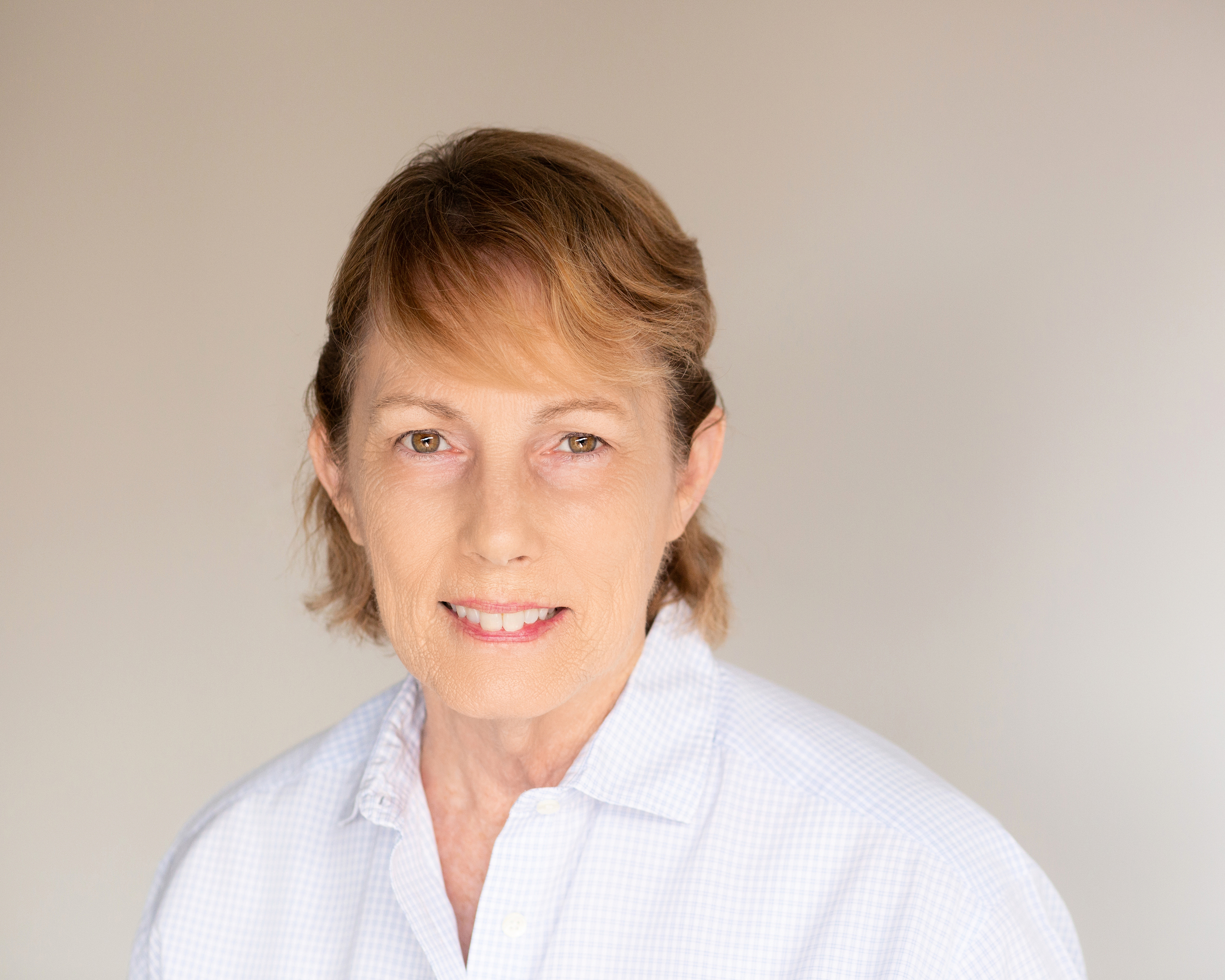
Maura Martindale
Maura Martindale, EdD, LSL Cert. AVEd, is a certified Auditory Verbal Educator. She received her doctorate in Educational Leadership from the University of Southern California in 1999. She is the founder and past director of the Master’s Degree and Credential Program, and is an Associate Professor, at California Lutheran University in Thousand Oaks, California. She has provided guidance and support to families of children with hearing loss in listening and spoken language at No Limits for Deaf Children centers in Southern California for over 15 years. Throughout her 40 plus years teaching at numerous universities, Dr. Martindale has prepared hundreds of teachers of the deaf for schools and programs throughout the United States and internationally. She was a teacher and Director of Educational Services at the John Tracy Clinic in Los Angeles California for 26 years.
Listening and Spoken Language Therapy for Children with Hearing Loss, Second Edition comes with access to supplementary student and instructor resources on a PluralPlus companion website.
The companion website is located at: https://www.pluralpublishing.com/publication/lsltchl2e
STUDENTS:
The student resources include:
- Videos on Content and Stages & Guiding Questions
- Downloadable Content: Tables, Figures, eFlashcards, Parent Handouts, Work Sheets
- Links to Related Organizations, Assessments, Activities, Resources
To access the student resources, you must register on the companion website and log in using the access code located in the front of your textbook.
INSTRUCTORS:
The instructor resources include:
- Instructional PowerPoint Slides Covering Chapter Content
- Test Bank and Answer Key
- Videos and Case Studies with Guidance for Instructional Implementation
- Class Activities
- Discussion Questions
Instructors also have access to all of the student resources.
To access the instructor resources, you must contact Plural Publishing, Inc. to be verified as an instructor and receive your access code.
Email: instructormaterials@pluralpublishing.com
Tel: 866-758-7251 (toll free) or 858-492-1555
*Note for students: If you have purchased this textbook used or have rented it, your access code will not work if it was already redeemed by the original buyer of the book. Plural Publishing does not offer replacement access codes for used or rented textbooks.
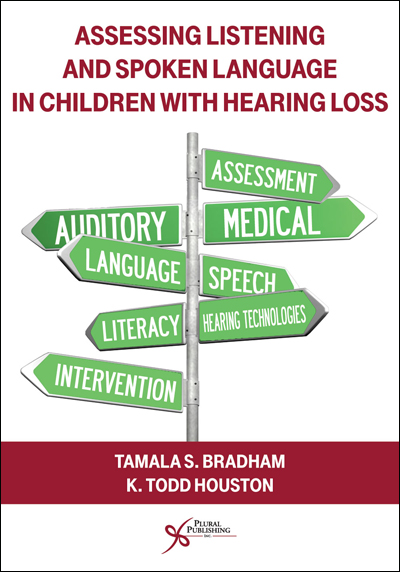
Assessing Listening and Spoken Language in Children with Hearing Loss
First Edition
Tamala S. Bradham, K. Todd Houston
Details: 496 pages, B&W, Softcover, 7" x 10"
ISBN13: 978-1-59756-576-9
© 2015 | Available
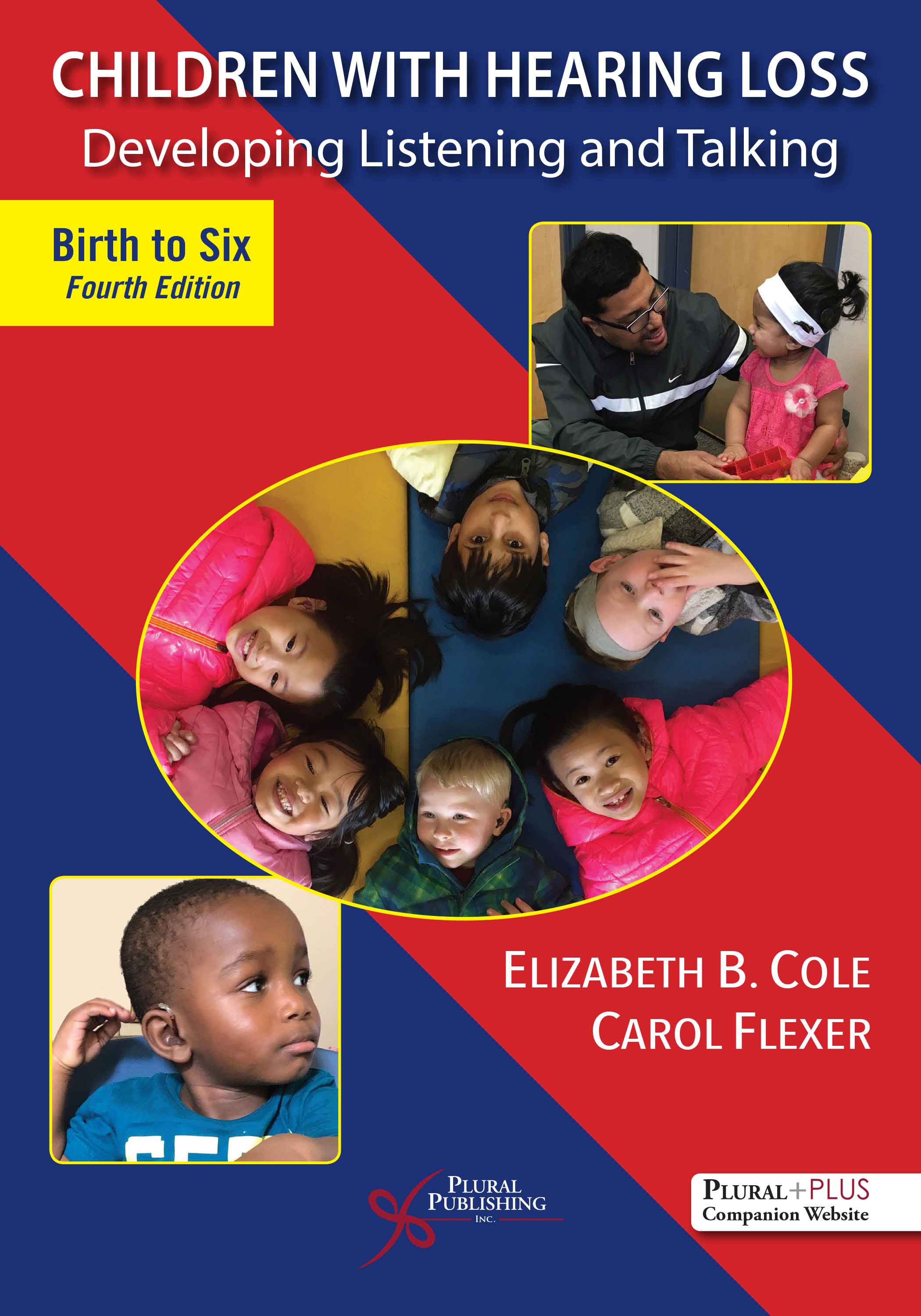
Children with Hearing Loss: Developing Listening and Talking, Birth to Six
Fourth Edition
Elizabeth B. Cole, Carol Flexer
Details: 411 pages, B&W, Softcover, 7" x 10"
ISBN13: 978-1-63550-154-4
© 2020 | Available
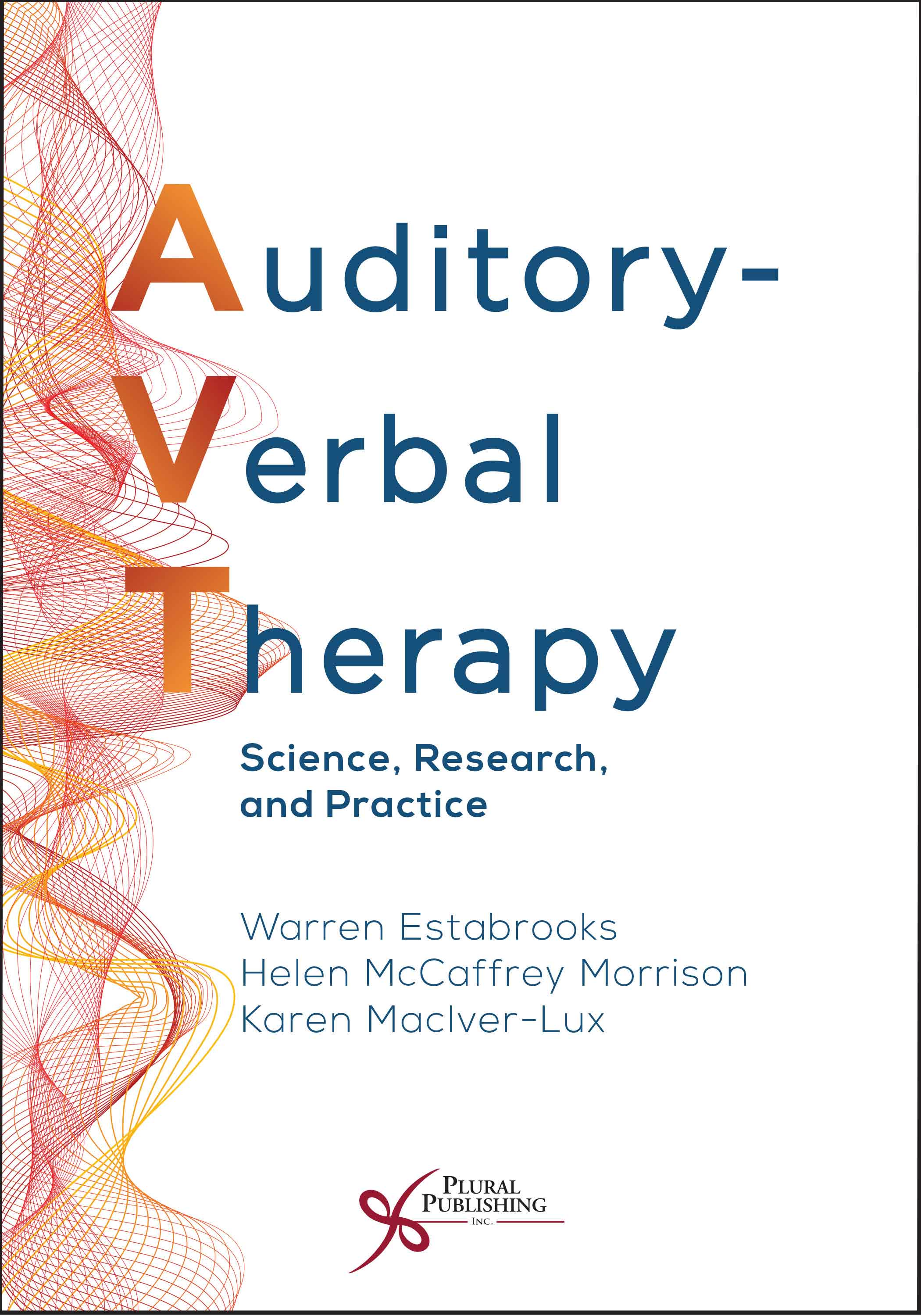
Auditory-Verbal Therapy: Science, Research, and Practice
First Edition
Warren Estabrooks, Helen McCaffrey Morrison, Karen MacIver-Lux
Details: 934 pages, B&W, Hardcover, 7" x 10"
ISBN13: 978-1-63550-174-2
© 2020 | Available
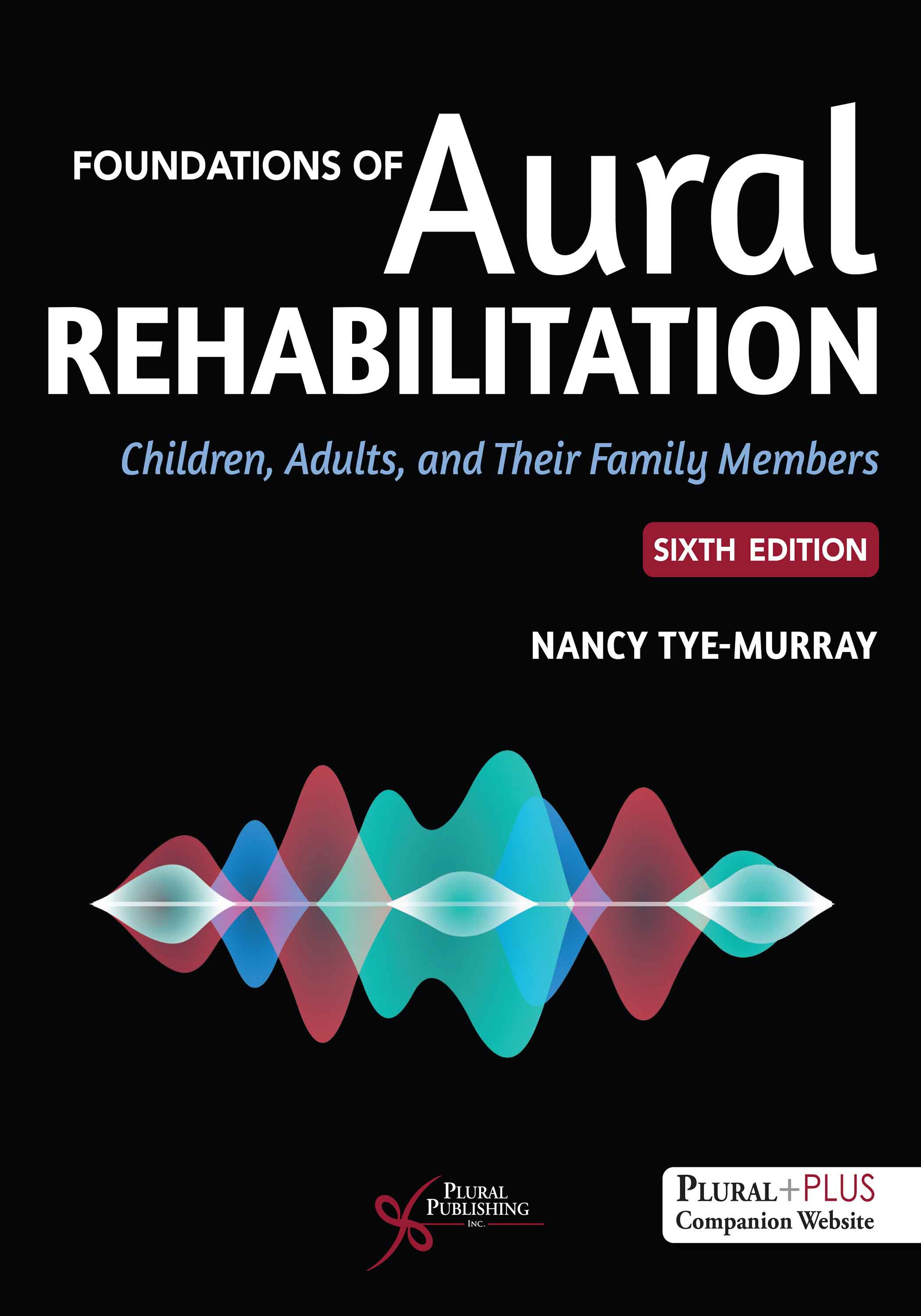
Foundations of Aural Rehabilitation: Children, Adults, and Their Family Members.
Sixth Edition
Nancy Tye-Murray
Details: 567 pages, 2-Color, Softcover, 8.5" x 11"
ISBN13: 978-1-63550-420-0
© 2024 | Available
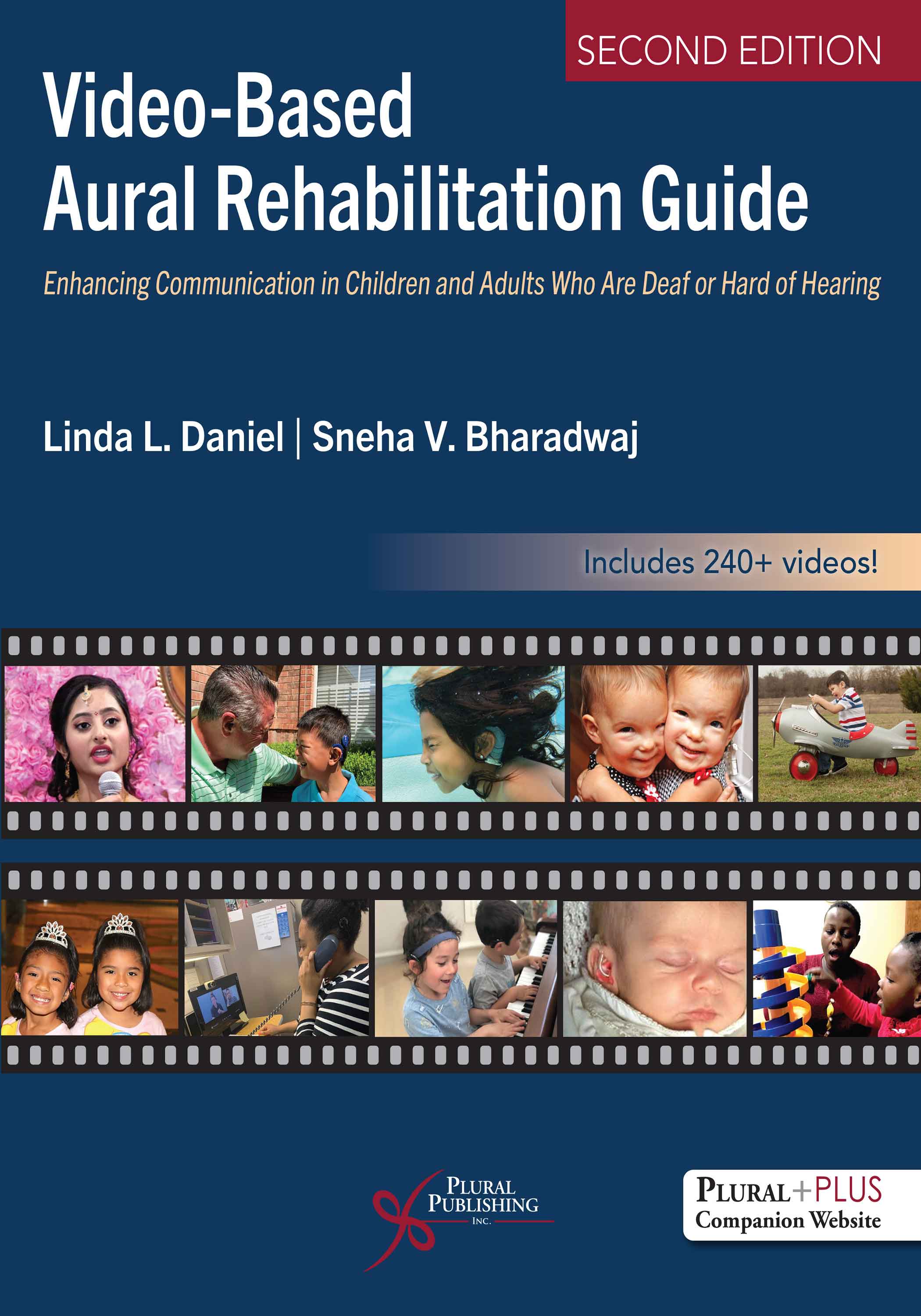
Video-Based Aural Rehabilitation Guide: Enhancing Communication in Children and Adults Who Are Deaf or Hard of Hearing
Second Edition
Linda L. Daniel, Sneha V. Bharadwaj
Details: 426 pages, B&W, Softcover, 8.5" x 11"
ISBN13: 978-1-63550-753-9
© 2026 | Available