
AAC at the Zoo… That Comes to You!
Catapult augmentative and assistive communication (AAC) experiences into action by accessing free zoo and aquarium cameras. It is often said that a great way to build AAC vocabulary is to select words that cause action on someone else. Add in zoo and aquarium cameras, aka cams, and the action is also coming to you! Professionals (e.g., speech-language pathologists, special education teachers) and parents may utilize zoo cams to foster rich communication environments at home, school, clinic, or hospital for children and adults who use AAC.
Where Do I Start? Free Zoo and Aquarium Cams
Check out a selection of free zoo and aquarium cams within the United States of America. Explore the animals, habitats, and zookeepers. Be cognizant of what you are feeling and thinking. Imagine the perspective and language opportunities for the AAC user.
- Houston Zoo: https://www.houstonzoo.org/explore/webcams/
- San Diego Zoo: https://zoo.sandiegozoo.org/live-cameras
- Smithsonian’s National Zoo & Conservation Biology Institute: https://nationalzoo.si.edu/webcams
- Georgia Aquarium: https://www.georgiaaquarium.org/webcam/
- Monterey Bay Aquarium: https://www.montereybayaquarium.org/animals/live-cams
Language Strategies
Try these three strategies to support language development.
- Aided language stimulation (AlS; Goosens, 1989): AlS is a gift of verbally modeling as you comment about jellyfish, condors, and otters while activating AAC buttons that represent one word, phrase, or all your message: fly, up and down, cool!
- Responsivity: Attend to the physical actions (e.g., pointing, rocking), vocal sounds (e.g., humming, exclamations or interjections = ooh), and verbal words or approximations of the AAC user. Point when they point, stand and look when they do. Respond to their exclamations, utterances, and AAC productions using AlS.
- Comment more; question less: Level the balance of power between you and the AAC user by commenting on what you see and ask fewer questions. Commenting invites open-ended possibilities (e.g., Let’s talk about what we see. I will start. I see the zookeeper. Your turn.). You may offer a choice or a sentence starter Look at the… Minimizing questions reduces the need to provide an accurate answer (e.g., What animal do you see? Are they swimming or walking? How many animals do you see?). Feel free to ask questions, just challenge yourself to comment more.
Vocabulary
Visit the penguins virtually at the San Diego Zoo https://zoo.sandiegozoo.org/live-cameras. Practice vocabulary utilizing the purposes of communication (Light & McNaughton, 2014): social etiquette (e.g., say hi and bye to animals coming and going); sharing information by commenting about what you see (e.g., look at the giraffe), strategic (e.g., move closer), wants and needs (e.g., I want a different one, more).
Application Examples
Check out the vocabulary examples for the penguin, tiger, and hippo from the San Diego Zoo. Use the examples to foster communication interaction and language development. Adapt the purposes and vocabulary to any animal cam you access.
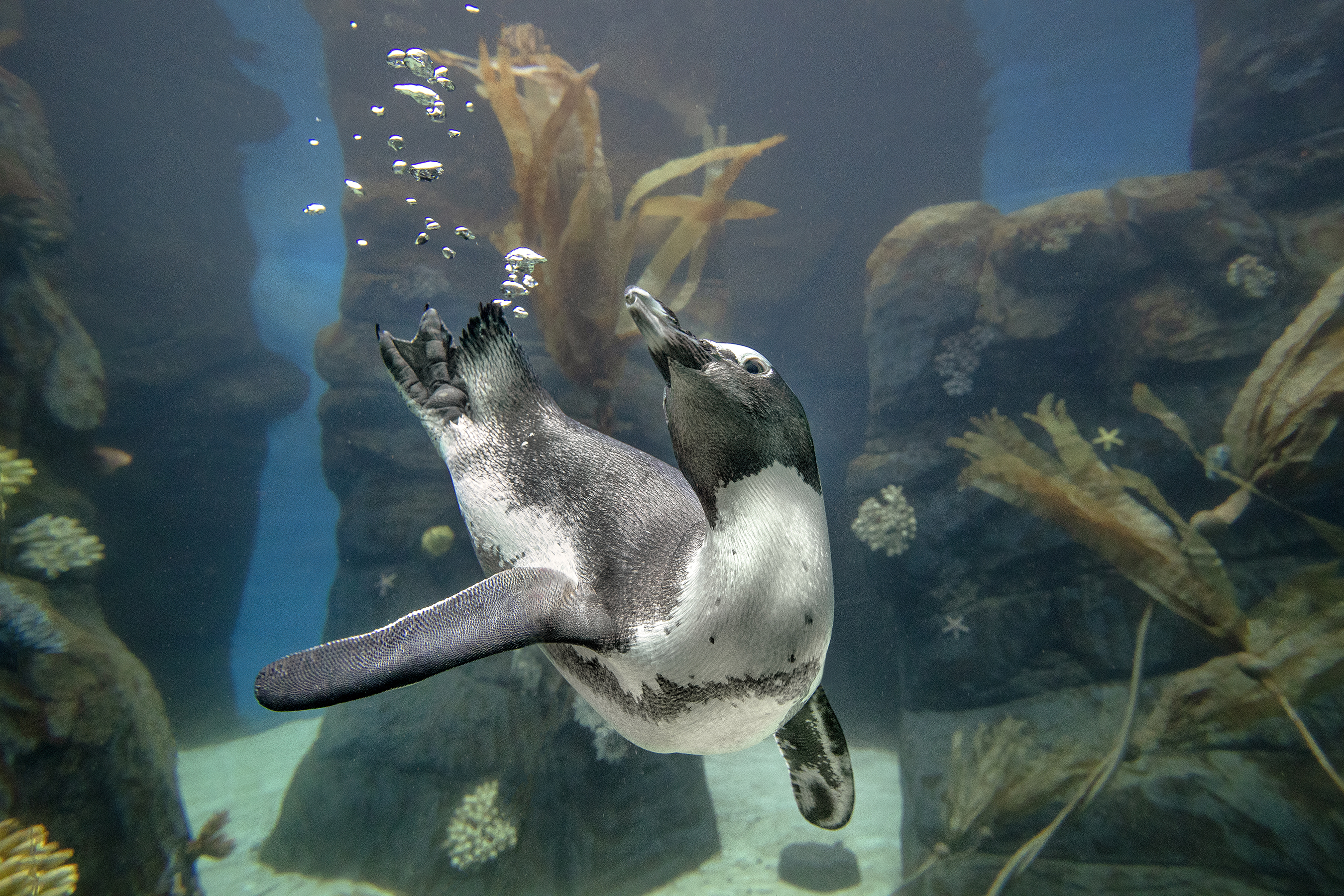
Image 1–1. Penguin swimming. Source: San Diego Zoo, San Diego Zoo Wildlife Alliance
- Practice social greetings Hi penguin!
- Comment how they, waddle, swim, and watch the bubbles go up!
- Share information: They are walking, eating! Oh, wow
- Ask and answer questions: Where did he go? Oh, under water; hopping out!

Image 1–2. Tiger walking. Source: San Diego Zoo, San Diego Zoo Wildlife Alliance
- Exclamations across communication modalities: Take turns practicing saying Oooooh, Cool, That’s awesome!
- Comment more question less with emotions: Look at the tiger. Let’s talk about what we feel. I feel excited. Your turn. I feel +
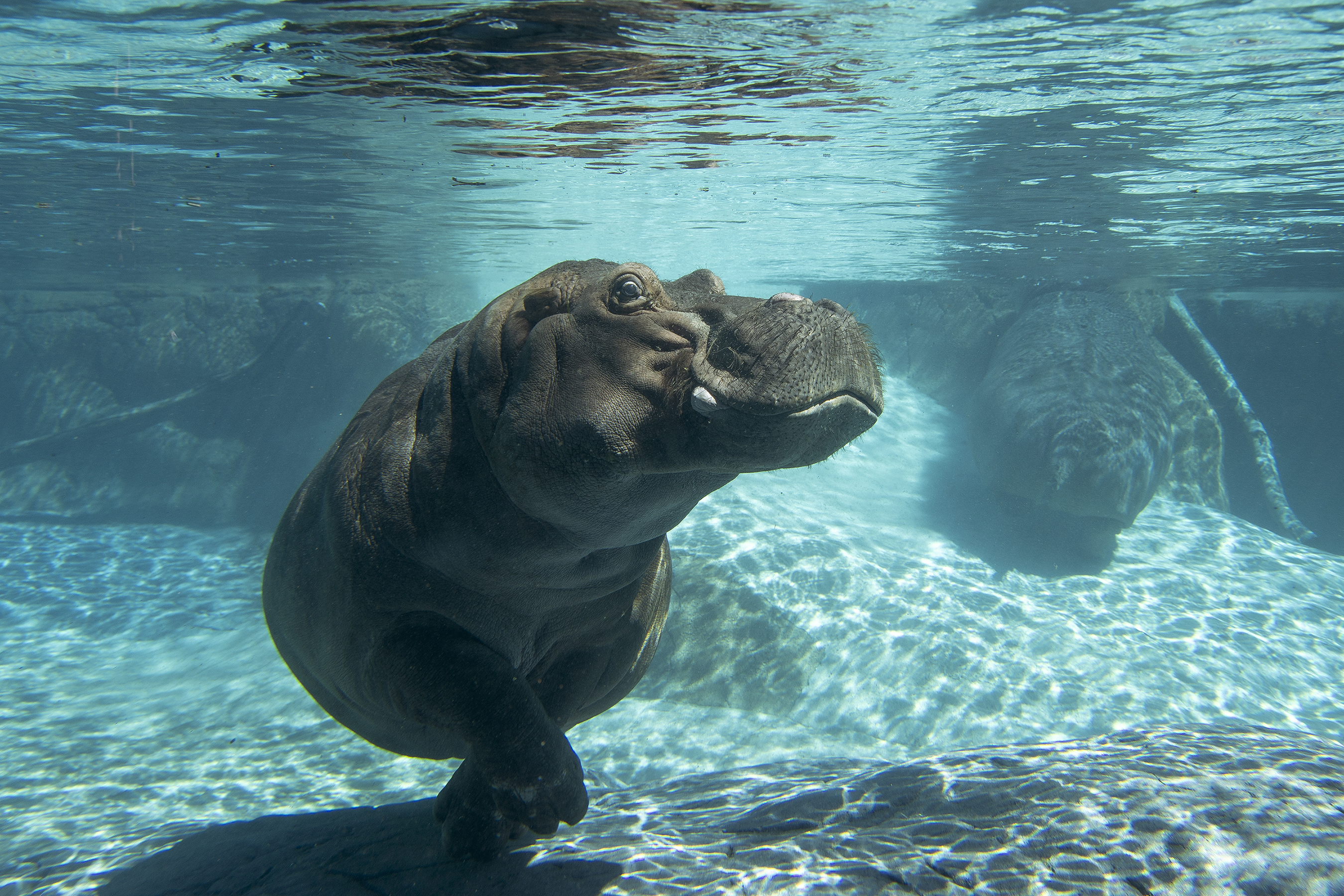
Image 1–3. Hippo under water. Source: San Diego Zoo, San Diego Zoo Wildlife Alliance
- Pretend with language: Let’s pretend we are walking under water and say walk, walk, walk
- Share feelings and emotions: That’s amazing. She is funny.
- Share what you are thinking—that may include a question you have: How do they walk under water?
Quick Tips
- Have fun as you generate opportunities for language natural to the experience. It may be helpful to think through ways to optimize your adventure. Here are a few quick tips to help you as you plan your virtual trip to the zoo:
- Preview cams just before sessions to see if animals are on camera
- Be prepared to pivot vocabulary given animal’s activities
- See if zookeepers are feeding or tending to the habitat
- Select cams that optimize vision needs of the client
- Most of the live cams do not have audio; however, audio is accessible through the San Diego Zoo Wildlife Explorers videos https://sandiegozoo.org/kidsnetwork/index.html#spread
- Access a variety of zoo or aquarium cams around the world for diverse animals, habitats, activity level, and information
- Inform parents/legal guardians about accessing zoo and aquarium cams at home and provide them with effective language strategies and vocabulary
For More Ideas: Introduction to AAC
Rich vocabulary, joy and action through shared experiences from zoo cameras are at the tip of inspiration that provides unique communication opportunities in an actionable way in schools, clinics, homes and hospitals. For more ideas to support communication for children and adults who use AAC, like bringing in zoo and aquarium cams into AAC therapy sessions, check out Introduction to AAC (Mayne, 2027). Learn how to plan vocabulary using strategies such as Activity Talk, Let’s Chat, and ways to combine a visual or written schedule with quick social communication. Take the guesswork out of AAC by understanding what AAC assessment aims to accomplish and learning how to design intervention.
References
Goosens, C. (1989). Aided communication intervention before assessment: A case study of a child with cerebral palsy. Augmentative and Alternative Communication, 5, 14–26.
Light, J. & McNaughton, D. (2014). Communicative competence for individuals who require augmentative and alternative communication: A new definition for a new era of communication? Augmentative and Alternative Communication, 30(1), 1–18. https://doi.org/10.3109/07434618.2014.885080
Mayne, L. (2027). Introduction to AAC. Plural Publishing.